
The current work timetables do not allow much time to exercise. Most individuals are torn between work, personal engagements, other household chores, and being under the pressure of being healthy all the time.
Fitness does not have to become stressful. Through the appropriate approach, it can fit well in a hectic lifestyle. The key is to use training styles that deliver impact through intention instead of speed. This shift creates a routine that feels manageable, effective, and sustainable.
Why Time-Efficient Training Works Better
Many people try to squeeze high-intensity routines into their schedules. These workouts often feel rushed. Muscles work hard, but form breaks down as the body tries to keep up. The result is fatigue without much strength development.
Time-efficient training uses slow and precise patterns. Each movement stays controlled. Muscles stay active longer without sudden pressure on the joints. This creates deeper strength in less time. It also reduces the risk of discomfort that can interrupt a routine.
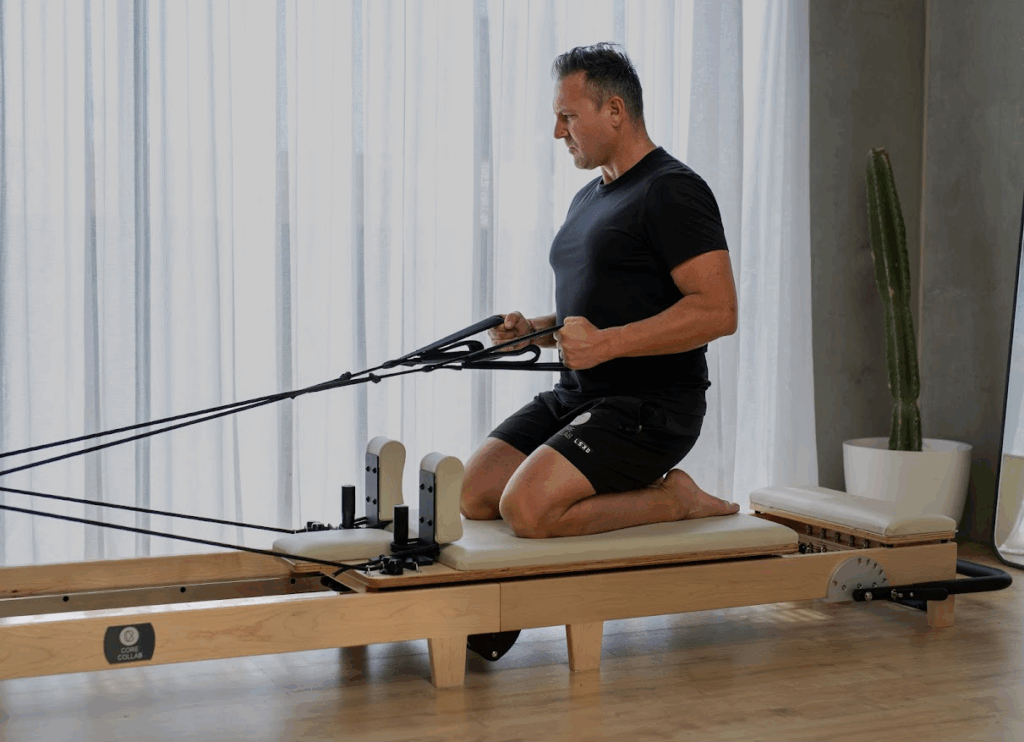
Busy people often benefit from guided tools that keep sessions organized. Some home setups include equipment such as an at-home pilates machine for structured routines that support slow and controlled strength work. This kind of tool helps maintain form and keeps training smooth even during short sessions.
How Slow Movement Builds Real Strength
Slow training might look gentle, but it challenges muscles in powerful ways. When momentum disappears, muscles must handle every second of the movement. This builds strong, stable, and balanced strength.
Fast routines often skip the small stabilizing muscles. Controlled strength training brings those muscles into every movement. These stabilizers protect the joints. They also improve posture and balance, which supports daily life.
Slow movement also helps the body stay aligned. Each rep feels more deliberate. This improves the quality of the workout rather than the quantity of reps. Busy people often appreciate this because it turns a short session into meaningful progress.
Experts at Harvard Health note that controlled strength training improves balance, posture, and everyday movement, even in short sessions.
Why This Approach Reduces Stress
Fast and intense workouts can raise stress instead of relieving it. They push the body to operate at full speed. This pace does not always match the energy levels of busy people.
Slow movement training creates a different experience. It uses calm breathing, steady patterns, and mindful engagement. These elements help reduce tension. They also help clear mental clutter.
Many people notice that slow exercise feels like a reset. It becomes a small break in a hectic day. This supports mental clarity and emotional balance. The body feels more grounded instead of overstimulated.
How Reformers Support Smarter Training
Reformer-style tools help guide movement. The sliding platform and spring-based resistance create smooth transitions. This makes it easier for the body to maintain control, especially during short sessions.
Machines like the Sculptformer follow these same principles. They create full body engagement through slow, steady work. Users can feel how the core, legs, and upper body support each motion. This awareness helps build strength without rushing.
Reformers also challenge muscles in both directions. They create resistance while pushing and pulling. This creates deeper activation in less time. It helps busy people build comprehensive strength without long routines.
Why Busy People Need Stability-Based Strength
Stability matters for daily tasks. It helps with lifting, walking, turning, and sitting for long hours. Many people experience soreness or stiffness because small stabilizing muscles stay underused.
Slow training activates these muscles during every rep. This makes movements feel smoother and more supported. It also reduces the risk of sudden strains from quick daily motions.
Stronger stabilizers also support long-term fitness. They help maintain posture during long workdays. They improve balance. They make everyday tasks feel easier and more natural.
Creating A Routine That Fits A Busy Life
A smart routine does not require long blocks of time. Even short sessions can create meaningful change. The key is to stay consistent with a structure that feels manageable.
Here is a simple routine many busy people use:
- Breathing reset: One minute of slow breathing to settle the mind.
- Core activation: Small, intentional movements to wake up deep abdominal muscles.
- Lower body strength: Slow lunges or leg movements with smooth transitions.
- Upper body support: Gentle pulling or pushing motions to support posture and shoulder alignment.
- Short cool down: A few relaxed stretches to release tension.
This structure fits well with reformer-based training. The guided paths help keep each movement precise. This makes short sessions feel more productive.

The Role Of Awareness In Real Results
Awareness plays a big role in smarter fitness. It teaches the body how to move efficiently. It highlights habits that might cause strain. Over time, the body learns to correct these patterns without effort.
Awareness also keeps the mind engaged. This makes each rep more effective. It helps people stay focused even during short workouts. The body responds with better strength, better balance, and better posture.
Awareness-based training also builds confidence. When movements feel clear and controlled, the body feels capable. This creates a positive cycle that encourages routine.
Long-Term Benefits Of Smarter Training
Busy people need routines that support long-term health instead of quick bursts of effort. Slow strength training builds a strong foundation. Muscles become more balanced. Joints feel more supported. Daily movement becomes easier.
This approach also reduces burnout. Short sessions feel more achievable. The body feels energized instead of drained. Many people find that this method fits naturally into their lives.
Stronger stabilizers support long-term mobility. Improved posture reduces soreness. Better awareness helps avoid injuries. These benefits support a healthier lifestyle without forcing big changes.
Guidance from the World Health Organization highlights how regular physical activity supports stronger muscles, lower stress, and better overall health.
Final Thoughts
A smarter approach to fitness focuses on quality. It helps busy people train with intention and control. Slow movement builds deep strength. Guided tools keep form steady. Awareness improves posture and balance.
This method fits into modern life because it respects time. It creates results without overwhelming the body. Many people find that this approach keeps them consistent. It supports physical strength and mental clarity.
Fitness does not need to feel rushed. It can blend naturally into daily routines. A smart, awareness-based method offers a strong path for people who want real, lasting results.