
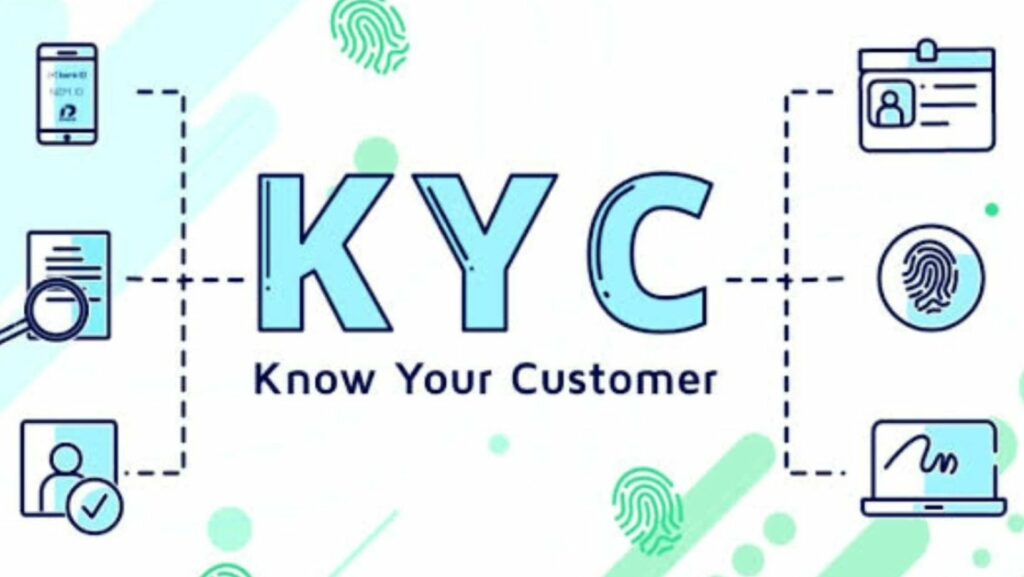
In online gambling and betting, KYC has always served as a security measure, guaranteeing transparency for both operators and customers. User verification is a regulatory requirement in multiple jurisdictions, so casinos and bookies must maintain compliance. In 2026, Know Your Customer policies will no longer be a part of the compliance mechanism that takes a lot of time and requires users to wait. iGaming companies strive to accelerate the procedure and make it safer. Operators are working on smoother onboarding to attract more customers, reduce risk, and eventually make the industry landscape more transparent.
Verification Powered by AI Automation
Speed is the most visible transformation of the upcoming year. Traditional KYC processes, where users need to upload their documents, wait for manual approvals, and deal with potential challenges, are irritating for those who would like to start gambling as soon as possible. Modern platforms are increasingly relying on AI technologies, which can verify identities within seconds. These systems assist in automatically checking these points:
- Checking authenticity across numerous databases
- Marking invalid or fake players’ documents
- Comparing biometrics with high confidence scores
- Detecting geolocation to check for permitted jurisdictions
Faster verification significantly affects engagement and retention on betting platforms, where even a slight delay may affect users’ desire to continue interacting with the operator. Players are impatient to begin their sessions with a few clicks, so casinos and sportsbooks that have already implemented this mechanism are more in demand.
Real-Time Compliance Adaptations
In 2026, compliance isn’t a static process. With gambling frameworks varying across jurisdictions, operators must quickly adapt to these changes, especially when they provide services in multiple regions. AML policies, licensing rules, affordability checks, taxation, and many other points are typically covered here. In this context, betting companies no longer have the opportunity to rely on a single mechanism. User verification requirements are updated based on specific patterns, as personalization plays a critical role in the modern iGaming sector.
For instance, if the system detects that a player invests higher sums and is likely to chase losses, this may trigger additional ID checks to ensure that they are in control of their actions. A VPN or mismatched IP and device combination is another point that may prompt a verification. When using the 1xBet app for iPhone, users can count on faster procedures using biometric authentication. It’s worth noting that non-compliance with requirements can result in frozen accounts or bans. As authorities regularly strengthen iGaming regulations, casinos and bookmakers must adjust quickly to provide players with transparent conditions.
The Era of Reusable Digital Identity
Decentralization has been the trend in recent years, and it’s unlikely to lose popularity in the future. The use of blockchain significantly simplifies interactions with gambling platforms and apps, bringing mutual benefits to both parties. Reusable digital identities are becoming more widespread: instead of manually uploading documents, users can use a system where verified credentials are stored securely in a digital wallet and shared with operators instantly.
This change is highly powered by Web3 and blockchain-approved technologies. In this case, players should only confirm the relevance of their personal details in the account, which can be later transferred to the betting platform. In 2026, the majority of countries is expected to adopt this system, enabling one-click verification for all members.
Passive KYC Procedures
There’s hardly anyone happy with the need to complete long-lasting identity checks. Hence, online casinos implement all possible measures to simplify them. The most anticipated shift is that KYC will become a passive process that is held in the background, without users being required to add any information manually. The main elements here include AML screening across databases, real-time transaction monitoring, behavioral biometrics, and geolocation detection.

Intrusive verifications are being slightly replaced with automated checks, beneficial for adrenaline seekers. While punters get the chance to place bets and play casino games without delays, service providers get the chance to ensure that none of their customers have fraudulent intentions.
Fraud Prevention Becoming Predictive
In previous years, fraud instances must have been reported to the casino administration, after which suspicious accounts were banned or frozen. In 2026, this mechanism will be based on predictive mechanisms powered by Machine Learning rather than reacting to the already-existing problems. AI analyzes the platform’s landscape and immediately models the level of risk. Predictive KYC technologies assess betting habits, transaction patterns, login consistency, session duration, and so on. This alternative allows for determining anomalies at early stages and helps operators to stop fraud without influencing the experiences of ordinary players.
Privacy First: Building User Trust
Data privacy is among the most important points in the quickly changing iGaming sector. Players want to be confident that their personal information will never be passed to unauthorized parties. For many, the fear of data theft is a reason to completely avoid gambling-related activities. KYC providers have responded with privacy-by-design technologies that minimize data exposure. On-device verification, where users’ sensitive details are stored inside their smartphones and automatically deleted after a player completes verification, boosts fairness. As casinos work in a competitive environment, this feature provides them with an evident edge.