Today, video games have ceased to be merely a way to pass the time, transforming instead into a vast space for social interaction. For many players, belonging to a particular gaming community becomes an integral part of their personal life and self-perception. In these digital worlds, people not only seek entertainment but also find real friends, build reputations, and shape a unique culture. This phenomenon has created a new form of online identity, where virtual achievements and shared values carry as much weight as those in real life. Understanding how gaming groups unite people helps us better grasp the changes taking place in modern society.
Shared Interests and Large-Scale Events
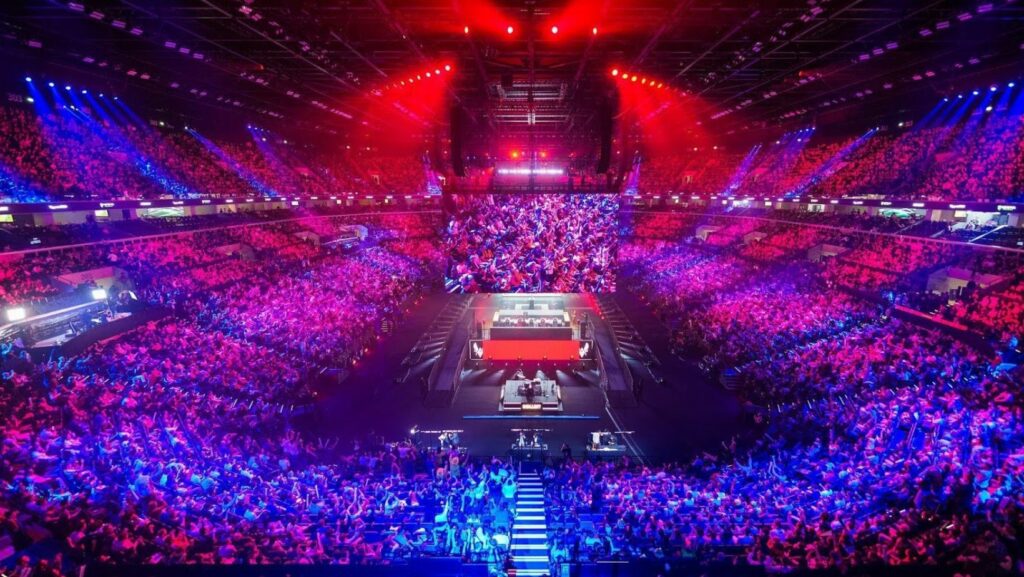
Modern games bring people together around common goals and emotions. When thousands of players gather to discuss strategies or watch a professional tournament, they feel like part of something bigger. Global events such as a CS2 Major demonstrate just how powerful this sense of unity can be. Viewers do not simply watch the game; they support their favorite teams, analyze every move made by professionals, and communicate in chats, creating a unique fan culture.
These events erase borders between countries. A person from Kyiv and someone from Tokyo can experience the same emotions when their favorite player wins. It is in moments like these that a gamer realizes: “This is my community; these people understand me.” This sense of belonging to a major event helps individuals define who they are in the digital world and find like-minded people with whom they can share their passion for gaming.
Moreover, gaming platforms allow people to create their own subgroups within large fandoms. These can be small clans, guilds, or simply groups of friends on Discord. Strong social bonds are formed here, often extending beyond the screen. People begin to help each other in real life as well, further reinforcing gaming identity as an inseparable part of one’s personality.
Creating a Digital Persona Through Characters
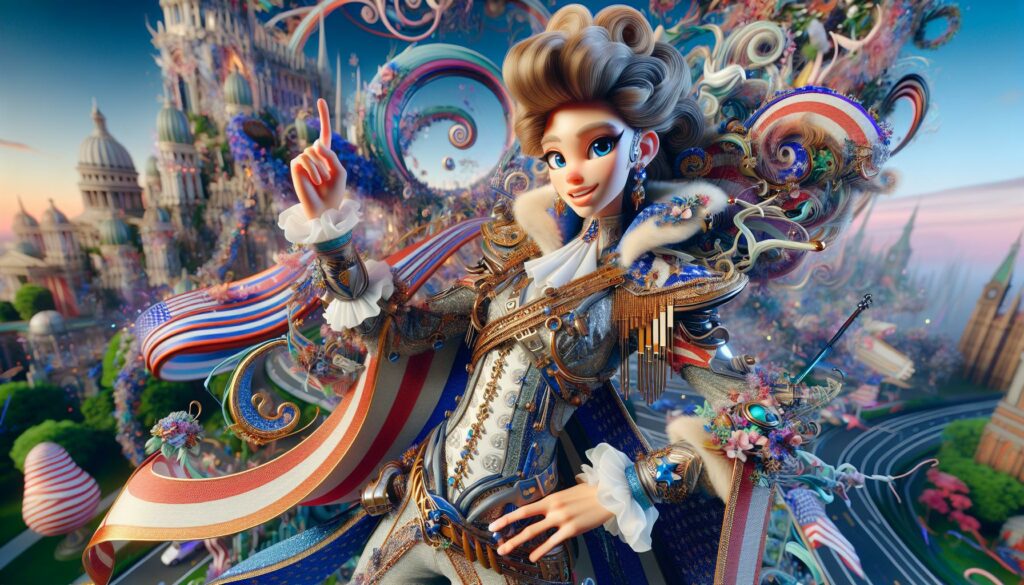
In gaming worlds, we have the opportunity to be whoever we want. Choosing a character, their appearance (skins), and playstyle is a form of self-expression. For many players, their avatar becomes a digital extension of their real self. When you invest time in earning a rare achievement or a unique item, you are signaling your status, skill, and taste to the community.
This form of self-expression goes much deeper than just an image on a screen. In virtual worlds, people often feel freer from the social stereotypes of real life. Someone who is shy offline may become a confident guild leader in a game. This allows players to experiment with different personality traits and discover the version of themselves that brings the most satisfaction. Games become a safe space for self-discovery.
Social identity in games is also built on recognition. If you are known as a reliable teammate or a skilled shooter, this creates a certain reputation. Such a reputation within a digital community can matter just as much as professional achievements offline. Feeling valued for your skills and contribution to the team provides a powerful boost to positive self-esteem.
Language and Symbols: How Gamers Understand Each Other
Every gaming community has its own unique slang, memes, and behavioral norms. If you understand what it means to “drop,” “rush,” or “loot,” you automatically become “one of us.” This shared language acts as a password that separates community members from the rest of the world. Being able to speak this language confirms your belonging to a specific group and makes communication easier.
In addition to slang, there are visual symbols. Team logos, rank icons, or even specific in-game gestures carry significant meaning. They help quickly identify another player’s status. This is similar to how football fans recognize each other by their club scarves. In the gaming world, however, these symbols are even more interactive and dynamic.

Using this language and these symbols creates a sense of comfort and safety. When a player enters a familiar chat where everyone communicates using shared terms, they feel at home. This cultural environment strengthens identity, as individuals constantly receive confirmation that they are part of an active and living group that shares their values and interests.
Support and Emotional Connection Within Teams
One of the most important factors in identity formation is teamwork. Video games often require a high level of coordination and trust between players. Overcoming challenges together, celebrating victories, and enduring defeats bring people closer, much like teamwork at work or in sports. In such conditions, a genuine sense of camaraderie is formed—something that is hard to find in other areas of online life.
Team-based play teaches responsibility. You know that your actions affect the success of four—or even forty—other people. This shapes role-based identity: “I am the medic who saves the team,” or “I am the strategist who leads everyone to victory.” These roles often carry over into how a person perceives themselves in general, helping to develop leadership qualities or empathy.
Many gaming communities also become places of emotional support. Players share personal problems, seek advice, or simply vent after a tough day. Since games often serve as a way to escape stress, the communities around them become “safe havens.” This deep level of trust makes gaming identity extremely important for a person’s psychological comfort.
Conclusion
In conclusion, gaming communities are no longer just groups based on shared interests but fully developed social structures. They offer people what is sometimes missing in real life: a sense of purpose, recognition, a shared language, and a reliable circle of communication. Through participation in large-scale events, the creation of digital personas, and team interaction, players form a new, multifaceted identity.
In the future, this trend will only grow stronger. The boundaries between “real” and “digital” life are becoming increasingly blurred. Who we are in virtual worlds, how we communicate in gaming chats, and which teams we support all help define us as individuals in the 21st century. A gaming community is not just a place to play—it is a place where we become ourselves.