

Most patients are terrified to be informed that they have to undergo a root canal or any other endodontic procedure. New tools and procedures are usually fear-inducing. One of the instruments of such treatments is a dental dam.
Factually, dental dams are safer and more effective. They cover the field of treatment and provide the dentist with increased accuracy. Understanding the mechanisms of these dams can be used to make patients feel less anxious and confident during their appointment.
What Are Dental Dams
The dental dams are thin sheets that cover a tooth during dental treatment. They are typically made of latex material or a latex-free material. The tooth to be treated is put in the dam.
A hole gives the dentist an opportunity to operate on the selected tooth and leave the rest of the mouth uncovered. This provides a sanitary, regulated space to do the procedure. The procedure allows patients to breathe normally using their nose.
Dental Dams in Endodontics
Endodontic procedures are performed within the tooth, particularly when a root canal is being done, and it must be highly accurate. Bacteria might be transferred in saliva and can disrupt the work.
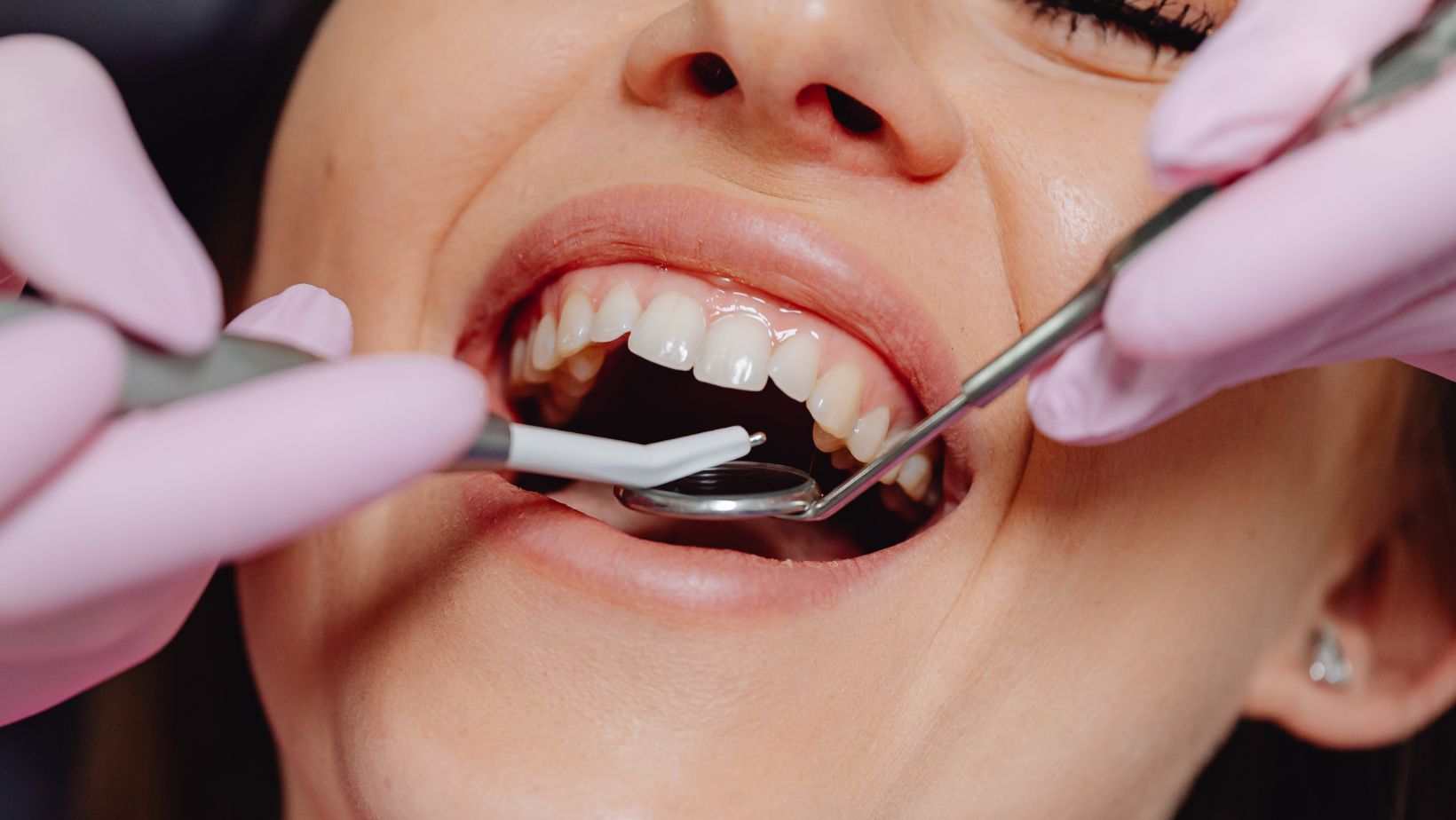
Saliva can cause contamination; a dental dam prevents the entry of the substance into the part of the treatment, which improves success. Separation with a dental dam helps dentists to work more effectively and without so many interruptions.
Patient Safety Protection
A dental dam has a lot of advantages, and one of them is safety. Little tools and soaps are employed during the treatment process. The dam is a shield that prevents the entry of liquids and debris into the mouth or throat. This reduces the chances of accidental swallowing of materials.
It helps the patients to be more relaxed knowing that there is an added level of protection to the whole procedure.
Impact of Dental Implant During Treatment
Most dental operations require a dry environment. Humidity influences bonding agents and cleaning solutions in the tooth. Some patients are concerned that a dental dam would be uncomfortable.
- Dental dams maintain the area dry and clear so that the dentist can emphasize the affected tooth. This control enhances accuracy and is likely to bring about lasting results.
- Many patients feel more relaxed as they do not have to worry about the movement of water and instruments in the mouth.
- During procedures involving high-speed drills, dams significantly reduce the spread of infectious particles in the air.
- Jaw fatigue can also be reduced in the course of longer procedures because the amount of teeth that is exposed is reduced to one.
How it Controls Infections
In modern dentistry, much attention is paid to hygiene and prevention of infection. These high standards are supported by dental dams.
The confinement of the tooth by them reduces the transmission of the bacteria between the mouth and the area under treatment, safeguarding the patient and the professionals.
By exposing only the target tooth, dams prevent saliva and oral microbes from entering the treatment site, which is crucial for preventing infection in root canals and during restorative procedures.