
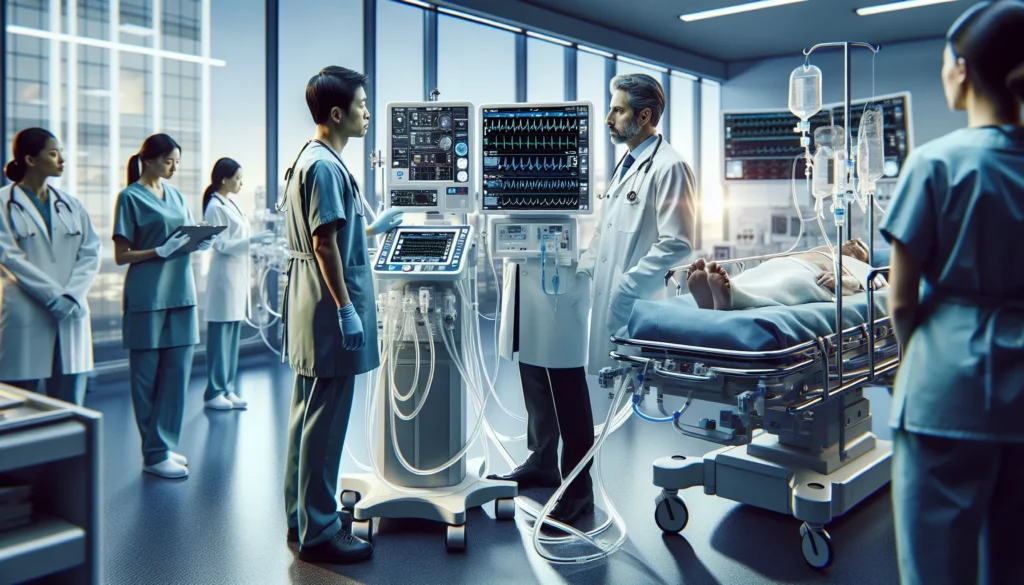
Ever found yourself puzzled by the term ECMO? You’re not alone. Extracorporeal membrane oxygenation might sound like a secret whispered in the corridors of a high-tech hospital, but it’s actually a lifesaving technique that we think deserves the spotlight. Let’s jump into the basics of ECMO while keeping things clear, engaging, and, dare we say, fun.
ecmoinstans
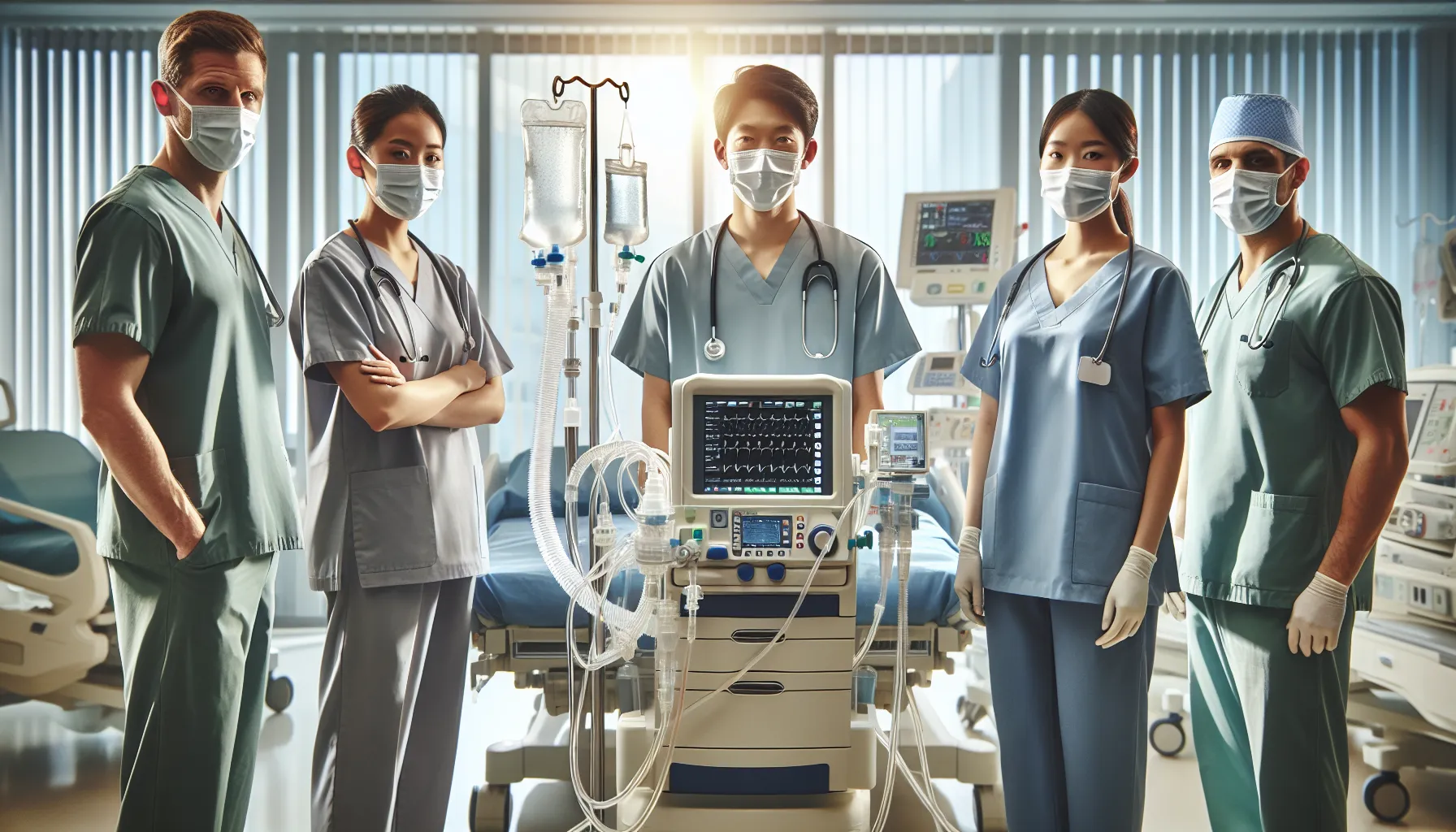
ECMO stands for Extracorporeal Membrane Oxygenation. Essentially, it’s a form of life support that takes over the job of the heart and lungs. Imagine a heart-lung machine acting like a superhero, swooping in to help patients with severe respiratory or cardiac issues. This incredible technology can be a game changer, particularly when conventional treatments just aren’t doing the trick.
Types of ECMO
There are primarily two types of ECMO: VA (venoarterial) and VV (venovenous). Each is like a tool in our medical toolbelt, chosen based on the patient’s specific needs.
- VA ECMO is used when both the heart and lungs need support. It pumps blood from the body to the ECMO machine, where oxygen is added before returning it to the arteries. Think of it as a combined effort for those in serious distress.
- VV ECMO, on the other hand, is geared towards patients who only require lung support. The blood is drawn from a vein, oxygenated, and then returned to the venous system. This is typically less invasive and can be crucial for patients suffering from severe lung conditions.
Indications for ECMO Use

Now, when do we actually pull out the ECMO card? There are several critical situations where ECMO can be a lifesaver:
- Severe Respiratory Failure: Conditions like ARDS (Acute Respiratory Distress Syndrome) can leave the lungs struggling. ECMO provides essential oxygenation while allowing lungs time to heal.
- Cardiac Issues: Patients with severe cardiac dysfunction can benefit, particularly those facing cardiogenic shock or during complex heart surgeries.
- Bridge to Recovery: Sometimes ECMO serves as a temporary support mechanism while waiting for lung or heart transplants. It’s like a pause button allowing our patients to regain strength.
How ECMO Works: The Mechanism Explained
Understanding the mechanism behind ECMO can feel a bit like unraveling a mystery novel, but we can break it down simply.
ECMO machines have several key components:
- Pump: This moves blood from the patient to the machine, ensuring a steady flow.
- Oxygenator: The heart of the operation, it infuses the blood with oxygen and removes carbon dioxide. This process only takes a few minutes, making it incredibly efficient.
- Heat Exchanger: This regulates the temperature of the blood to keep it at a safe level.
In total, we’re talking about a well-coordinated dance that keeps patients stable when their bodies simply can’t do the job.
Risks and Considerations of ECMO Therapy
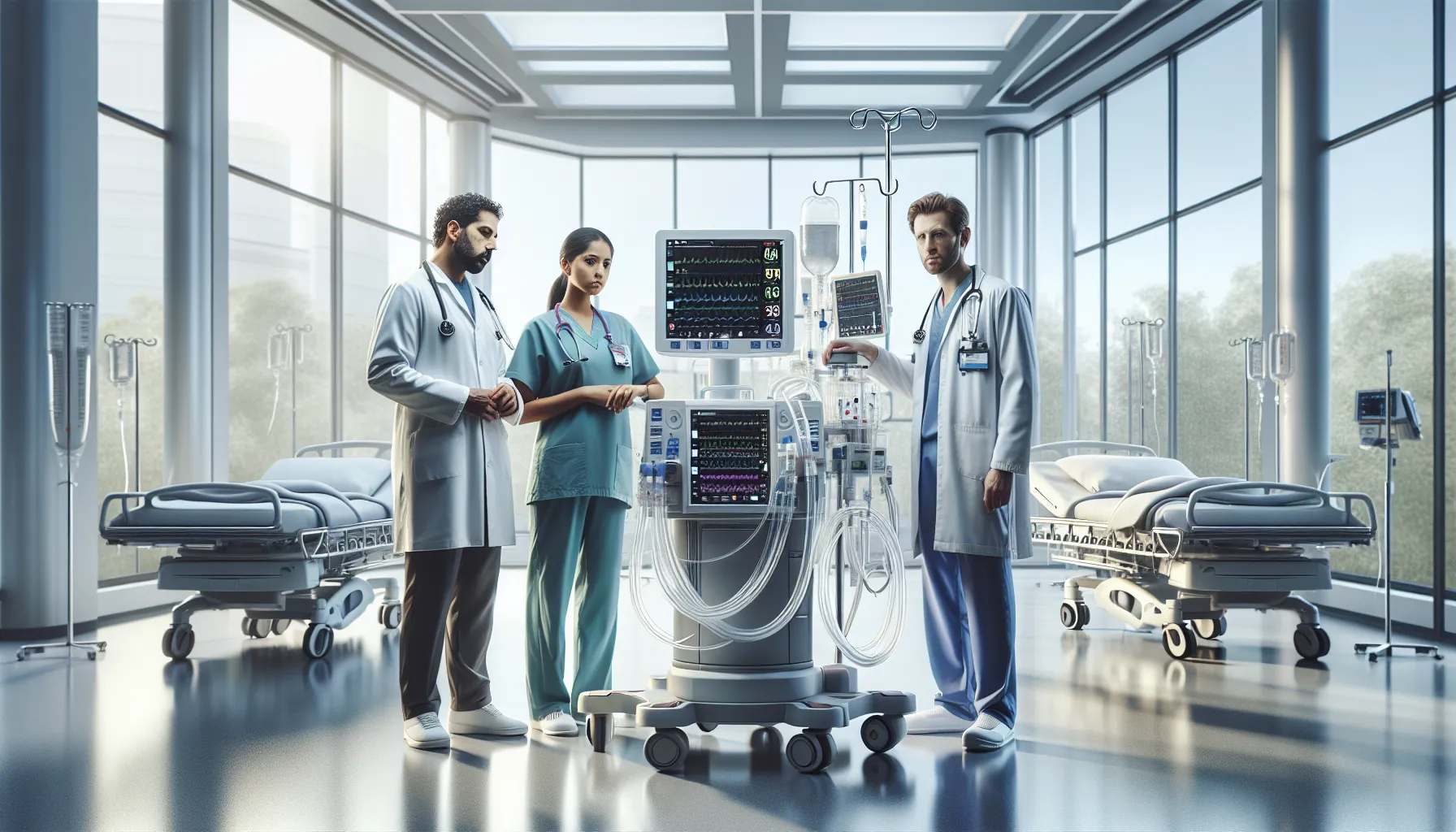
While ECMO can be life-saving, it’s essential to be aware of the risks involved. As with any medical intervention, there are potential side effects:
- Bleeding: Due to anticoagulation therapy, patients might experience bleeding complications.
- Infection: Being connected to tubes and machines increases the risk of infections.
- Organ Dysfunction: Sometimes, the support provided can lead to complications with other organs.
To conclude, while ECMO offers significant benefits, we must remain vigilant and prepare for potential hurdles.
Future Directions in ECMO Technology
The future of ECMO is promising, and advancements are being made in various areas.
- Miniaturization: Imagine devices that are smaller and more portable, making ECMO easier to carry out in diverse settings, even outside of traditional hospitals.
- Biomaterials: Researchers are exploring new materials for oxygenators that reduce complications and improve performance.
- AI Integration: Artificial intelligence could help in monitoring and managing ECMO therapy, predicting complications before they occur. We’re on the brink of a technology boom that could redefine ECMO.