

Have you ever felt like your legs decided to throw a party while you were just trying to sleep? Welcome to the world of “nachtschattenlähmung”, a term that rolls off the tongue like a delicious German pastry and can leave even the most composed among us scratching our heads. Let’s jump into what this condition really means, because understanding it is the first step toward managing its pesky surprises. Buckle up: we’re about to embark on a fun yet informative journey.
Nachtschattenlähmung
So, what exactly is nachtschattenlähmung? This term, translating roughly to “nightshade paralysis,” refers to a temporary condition where individuals experience sleep-related temporary paralysis. It often occurs when we transition into or out of sleep, leading to moments where our bodies aren’t quite ready to cooperate with our minds. Imagine waking up, fully aware of your surroundings, yet unable to move a single muscle. Frustrating, right? This peculiar phenomenon can happen to anyone, although it seems to have a knack for targeting the unsuspecting.
In a nutshell, it’s our body’s way of saying, ‘Hold on a second. I’m not done with the sleep cycle yet.’ It can be a bit alarming, particularly if it’s your first encounter with it, but the good news is that it usually doesn’t have lasting impacts.
Understanding the intricacies of this condition helps us demystify those strange episodes.
Symptoms of Nachtschattenlähmung
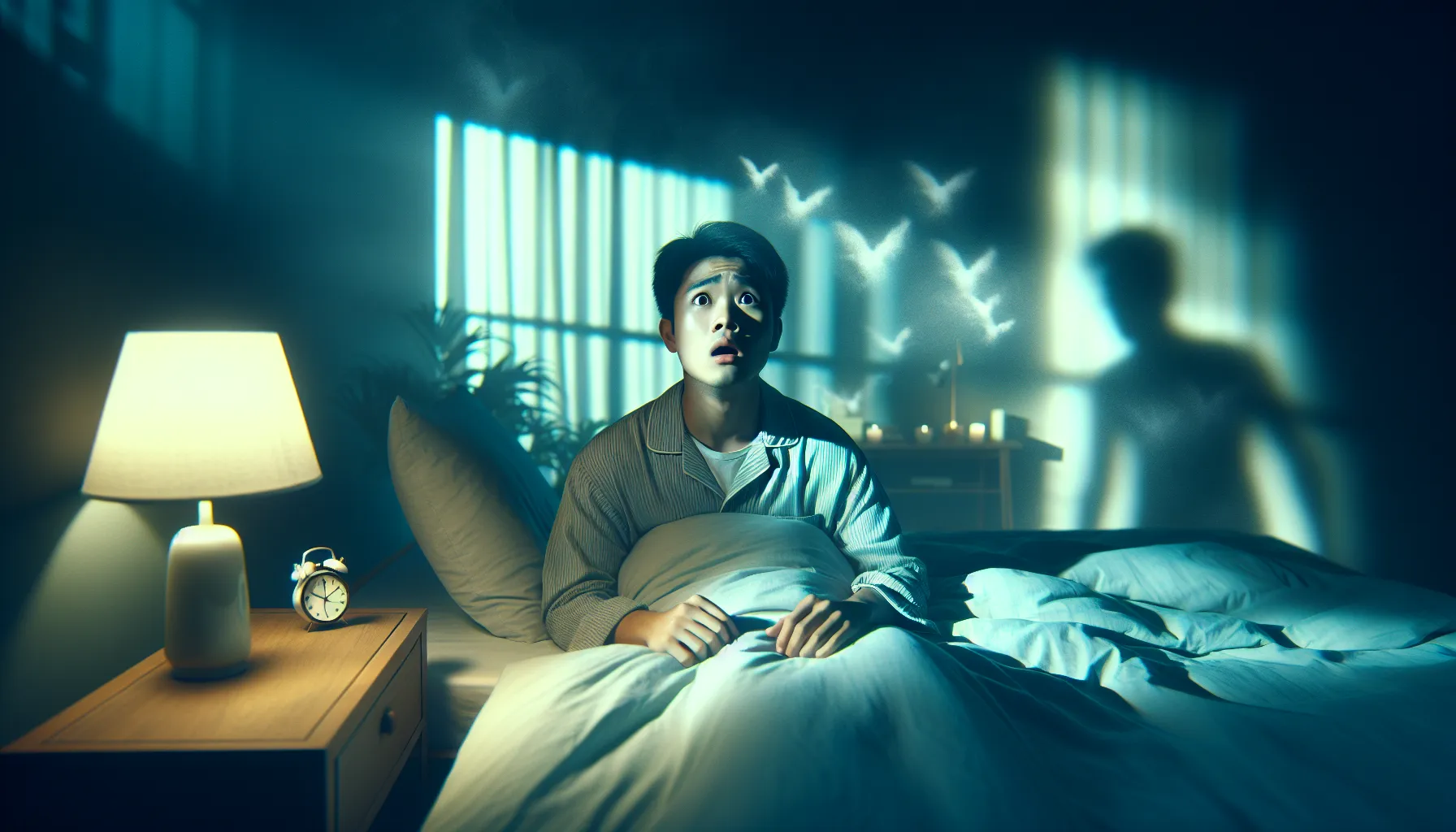
Recognizing the symptoms of nachtschattenlähmung can be our first defense against anxiety during one of these episodes. Typically, individuals report a few specific experiences:
- Inability to Move: This often occurs suddenly, leaving one feeling immobile for a few seconds to a couple of minutes. The sensation can be unsettling, but it’s not uncommon.
- Hallucinations: These may include vivid dreams or imaginary sensations, often occurring during the wakeful episode.
- Heavy Pressure on the Chest: More common than we’d like to admit, this feeling can ramp up anxiety during the episode.
- Awareness of Surroundings: Most importantly, we retain awareness, making us acutely conscious of the paralysis.
We’ve all been there, experiencing strange sensations after waking up, and these symptoms can vary in intensity. Each episode is individual, making it slightly different from the last.
Causes and Risk Factors

Let’s jump into why this happens in the first place. Nachtschattenlähmung can be triggered by several factors:
- Sleep Disorders: Conditions like narcolepsy or insomnia can increase susceptibility.
- Sleep Position: Sleeping on your back may increase the likelihood of experiencing episodes.
- Stress and Anxiety: Let’s face it: the chaos of our daily lives can take a toll on our sleep quality.
- Sleep Deprivation: Acting like a starfish all night? Poor sleep can lead to nighttime paralysis episodes.
We can identify these risk factors to reduce the chances of experiencing them. By recognizing what may trigger these symptoms, we can take steps to minimize their occurrence.
Diagnosis and Medical Evaluation
If we find ourselves experiencing recurrent episodes, an appointment with a healthcare provider might be the next logical step. During our visit, healthcare professionals typically conduct:
- Medical History Review: This includes an overview of our sleep habits, health background, and any drugs or medications we’re taking.
- Sleep Studies: Sometimes known as polysomnography, this overnight test can monitor our sleep cycles and identify sleeping disorders.
- Physical Exam: A thorough examination can help rule out other potential causes of paralysis.
A medical evaluation can clarify our understanding and help us navigate the complexities of this peculiar condition.
Treatment Options

While nachtschattenlähmung may sound daunting, treatment options are available. For those triggering these episodes frequently, our healthcare provider might suggest:
- Sleep Hygiene: We can improve our sleep environment to cultivate a peaceful night’s rest.
- Stress Management Techniques: Exploring mindfulness or yoga may also reduce episodes triggered by stress.
- Medication: In some cases, our doctor may prescribe medications to help regulate sleep cycles.
Exploring these options allows us to reclaim a peaceful night’s rest, fostering a sense of control over an otherwise unpredictable condition.
Preventive Measures and Lifestyle Changes
To bolster our defenses, we can incorporate several preventive measures and lifestyle changes:
- Maintain a Sleep Schedule: Going to bed and waking up at consistent times can help regulate our sleep cycles.
- Limit Stimulants: Reducing caffeine and nicotine close to bedtime can promote better sleep quality.
- Mindfulness Practices: Engaging in practices that relax our body and mind can significantly help in reducing sleep disturbances.
- Create a Comfortable Sleep Environment: This includes keeping our bedroom dark, cool, and cozy, practically inviting sleep with open arms.
By taking proactive steps, we can lessen the chance of experiencing these pesky episodes.