
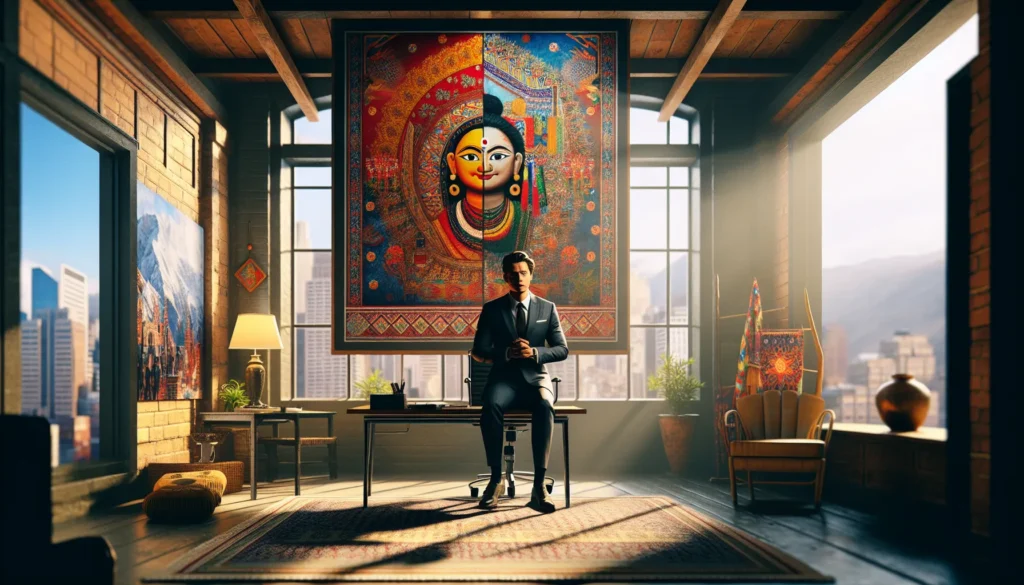
Ever wondered how a single art form can connect a community through generations? Well, look no further than Nepalichikāi. This intricate and vibrant tapestry of tradition is more than just a cultural artifact: it’s a celebration of life, history, and creativity. Join us as we jump into the captivating world of Nepalichikāi, where each thread tells a story and every design is rooted in heritage. So sit back, relax, and allow us to unravel this vibrant piece of Nepalese culture, while we sprinkle in a bit of humor along the way.
नेपालिचिकाइ
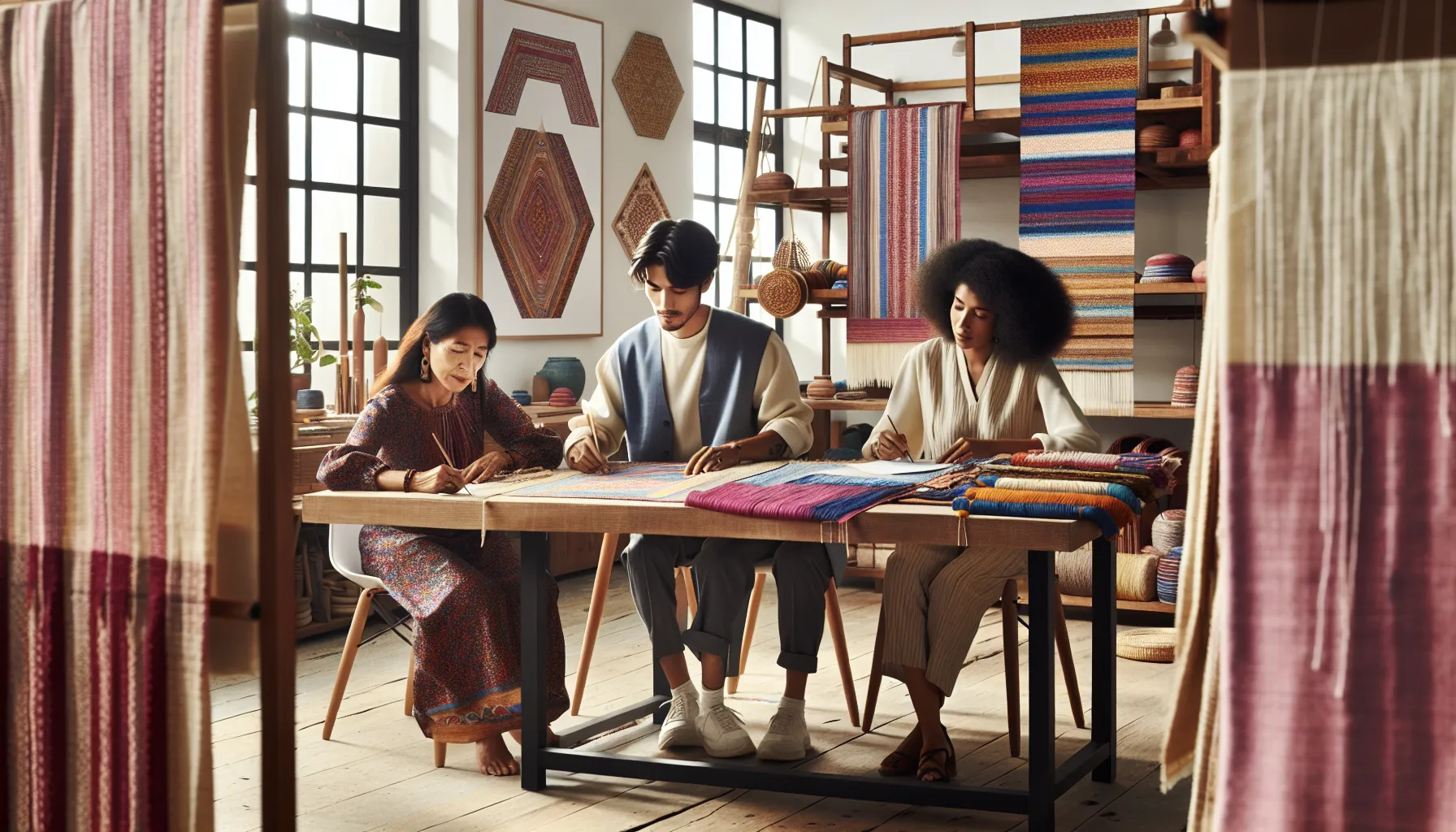
At its core, Nepalichikāi refers to a unique form of textile art from Nepal, characterized by its intricate patterns and rich colors. This craft has roots that dig deep into the heart of the Nepalese culture, showcasing both artistry and functionality. Traditionally, these textiles are made from locally sourced materials, often dyed using natural methods that have been passed down through generations.
What sets Nepalichikāi apart from other textile arts around the world is its strong connection to the local communities that produce it. Each piece is crafted not just as a product but as a reflection of the history, values, and environment of the artisans. In every stitch lies the passion and perseverance of the craftspeople, who pour their hearts into their work.
From clothing to home decor, Nepalichikāi can be found in various forms, making it a versatile and cherished aspect of Nepalese life.
Cultural Significance of Nepalichikāi
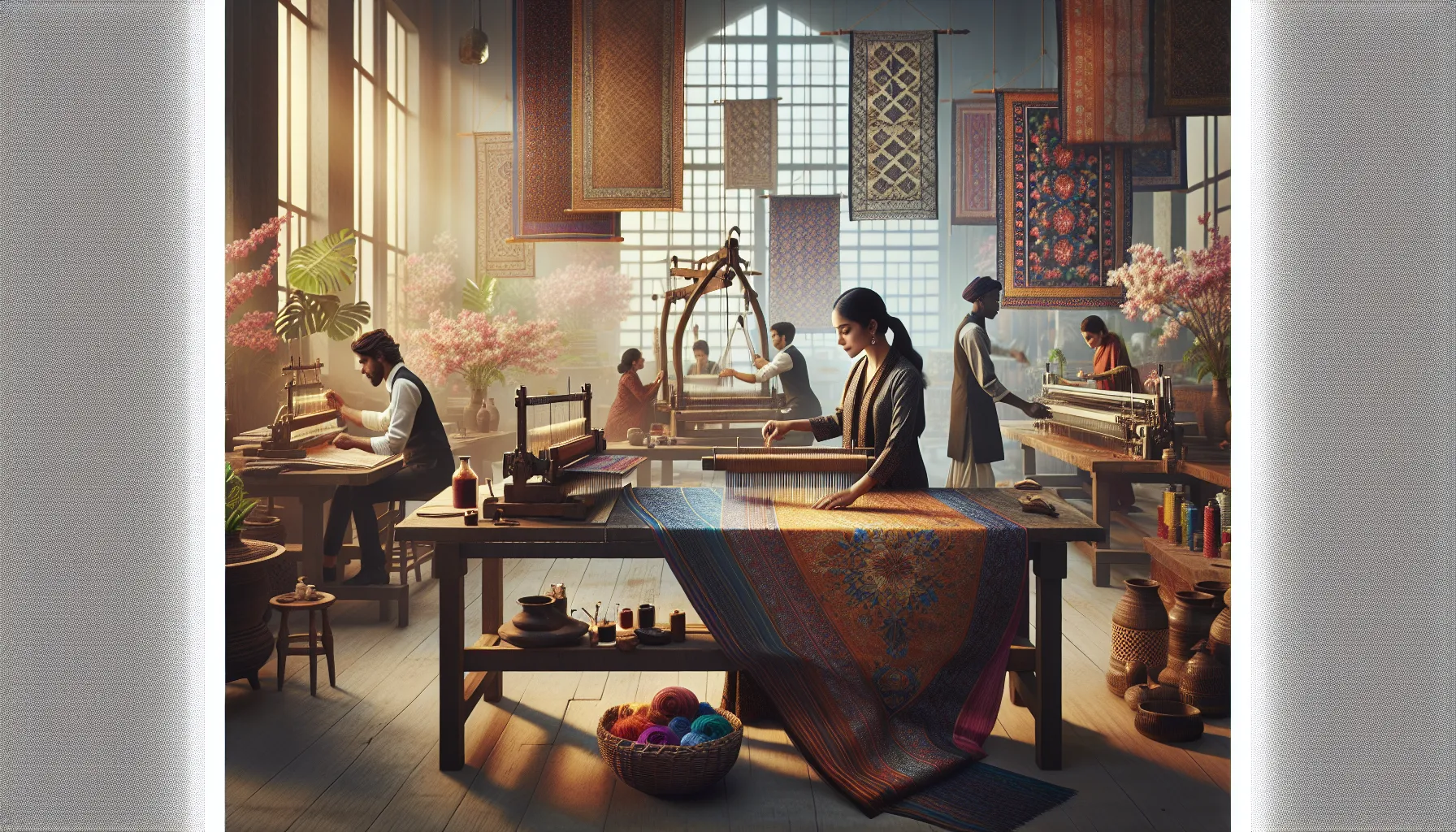
The significance of Nepalichikāi extends far beyond the stylish appeal of its fabrics. It’s a cultural symbol, bringing together communities and preserving traditions. For us, it’s a reminder of our roots and identity: something that fosters pride not only among artisans but also within the wider society.
These textiles often play critical roles in ceremonies and festivals. Imagine a wedding where the bride wears a beautifully crafted Nepalichikāi wedding dress that reflects her heritage. There’s a sense of continuity in these practices, as families pass down their treasured pieces from generation to generation, fostering a connection between the past and present. Not to mention, there’s something undeniably charming about wearing a piece of art that tells your family story.
Also, the colors and patterns found in Nepalichikāi often contain symbolic meanings, representing various elements of life, nature, or spirituality. By embracing this art form, we honor those who came before us and pave the way for future generations.
Traditional Practices and Techniques
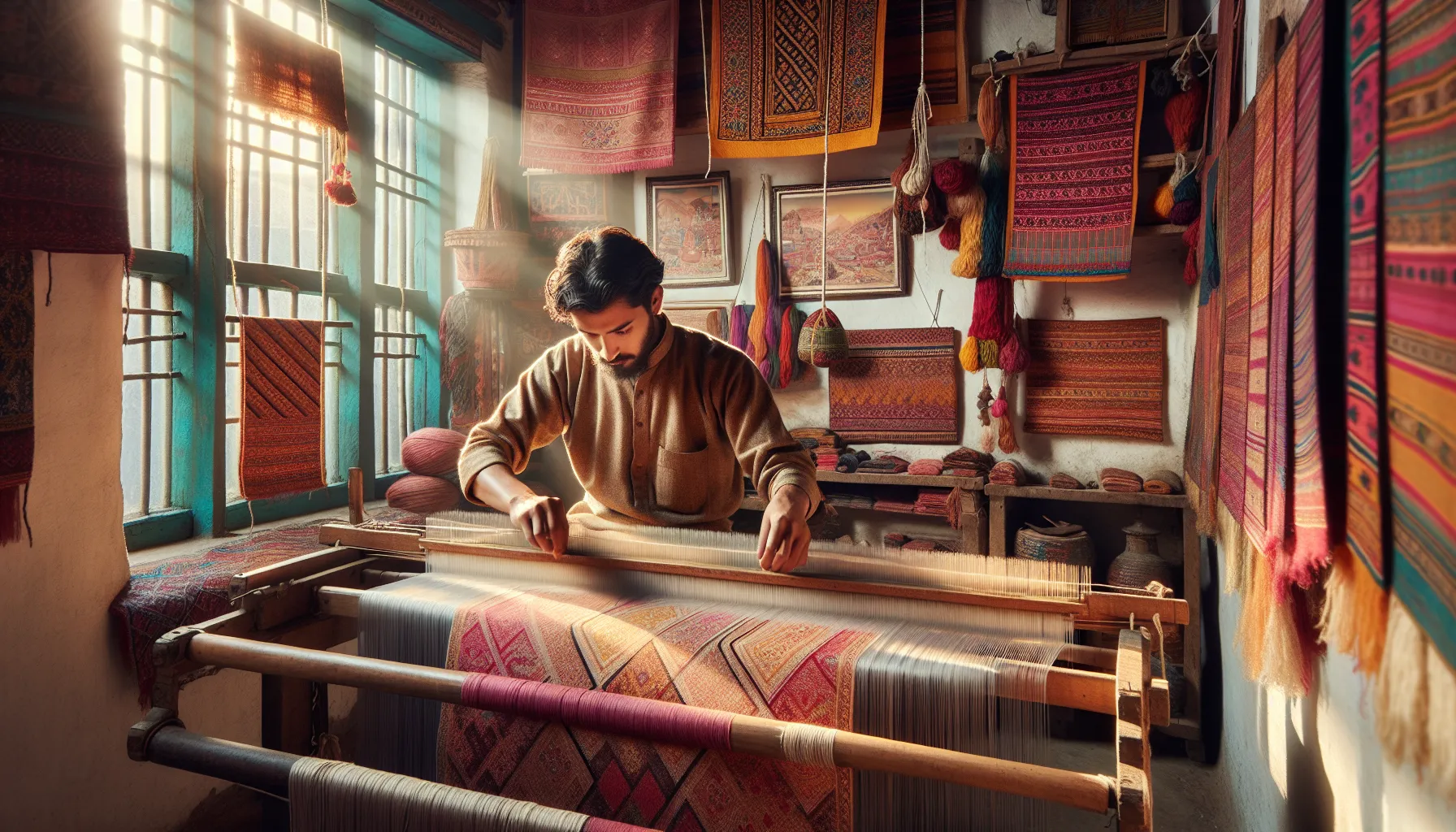
Crafting Nepalichikāi is no small feat: it’s a labor-intensive process that showcases both skill and creativity. The artisans often use ancient techniques like hand-weaving, dyeing with plants, and intricate embroidery to create their masterpieces.
Let’s break it down a bit. First, the selection of materials is crucial. Artisans usually choose high-quality fibers sourced from the Himalayan region, ensuring durability and comfort. Next comes the dyeing process, where natural pigments are extracted from local flora. This not only ensures vibrant colors but also keeps us eco-friendly, what’s not to love?
Once the materials are prepared, the weaving begins. Each artisan typically specializes in specific patterns, often reflecting their family’s history or regional characteristics. As you can imagine, this attention to detail requires immense patience and precision, with some pieces taking weeks or even months to complete. But the result is worth every moment. Traditional Nepalichikāi is a testament to the skills and dedication of those who dedicate their lives to this craft.
Modern Adaptations and Challenges
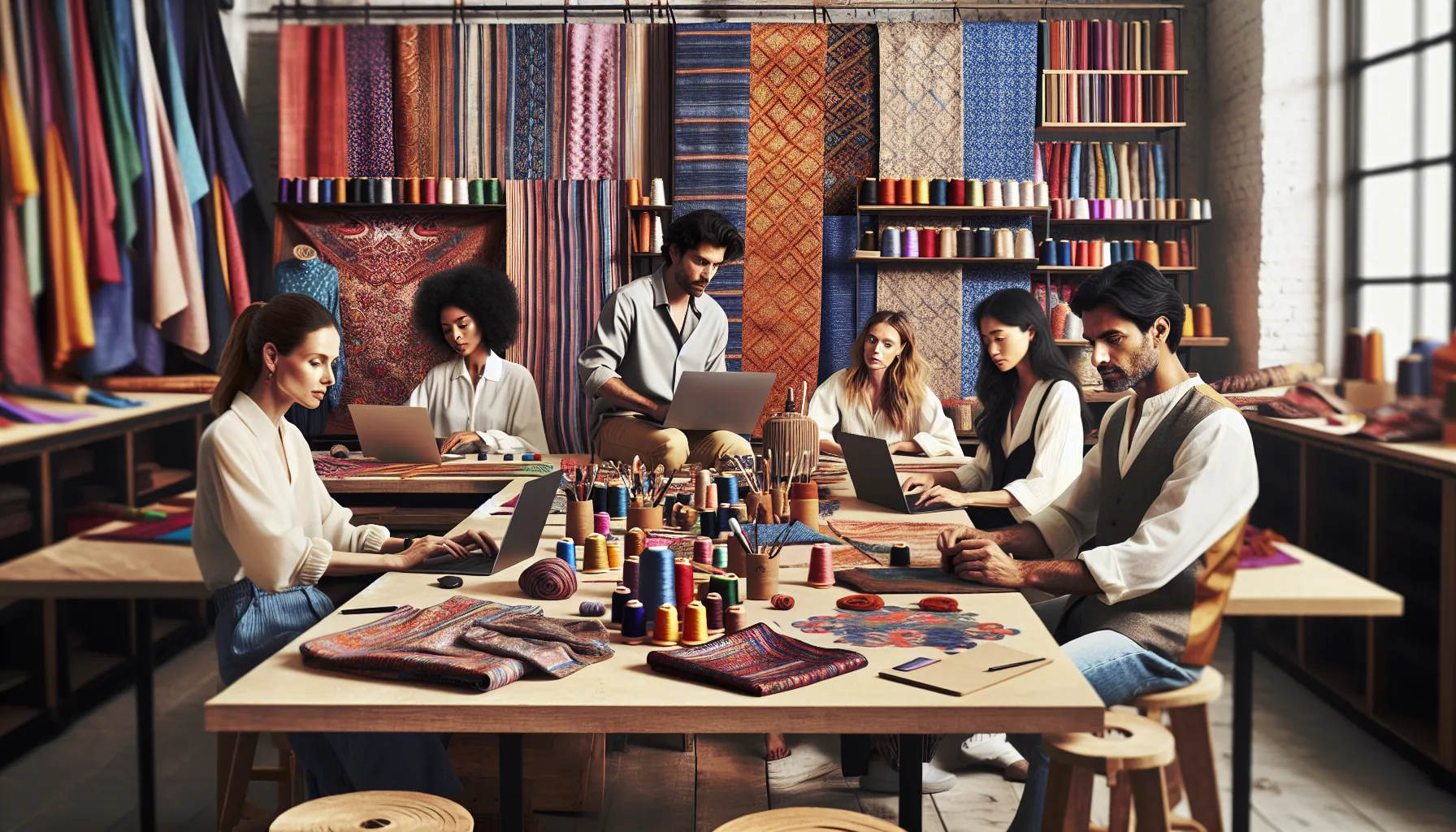
In today’s fast-paced world, Nepalichikāi faces both opportunities and challenges. On one hand, there’s an increasing interest in sustainable fashion, which prompts a revival of traditional crafts. More people are seeking unique, handcrafted items that tell a story, making space for Nepalichikāi in contemporary wardrobes.
But, challenges loom large. With globalization, mass-produced textiles flood the market, often overshadowing traditional crafts. This makes it hard for artisans to compete, and as a result, there’s a risk of losing these age-old techniques. To keep this vibrant art alive, we must support local artisan communities through fair trade practices and focused educational initiatives.
Interestingly, some artisans are merging contemporary design with traditional techniques to create hybrid styles that appeal to modern consumers. This evolution creates new pathways for Nepalichikāi while still honoring its roots. It’s a delicate balance, but one that many are striving to achieve.
The Role of Nepalichikāi in Contemporary Society
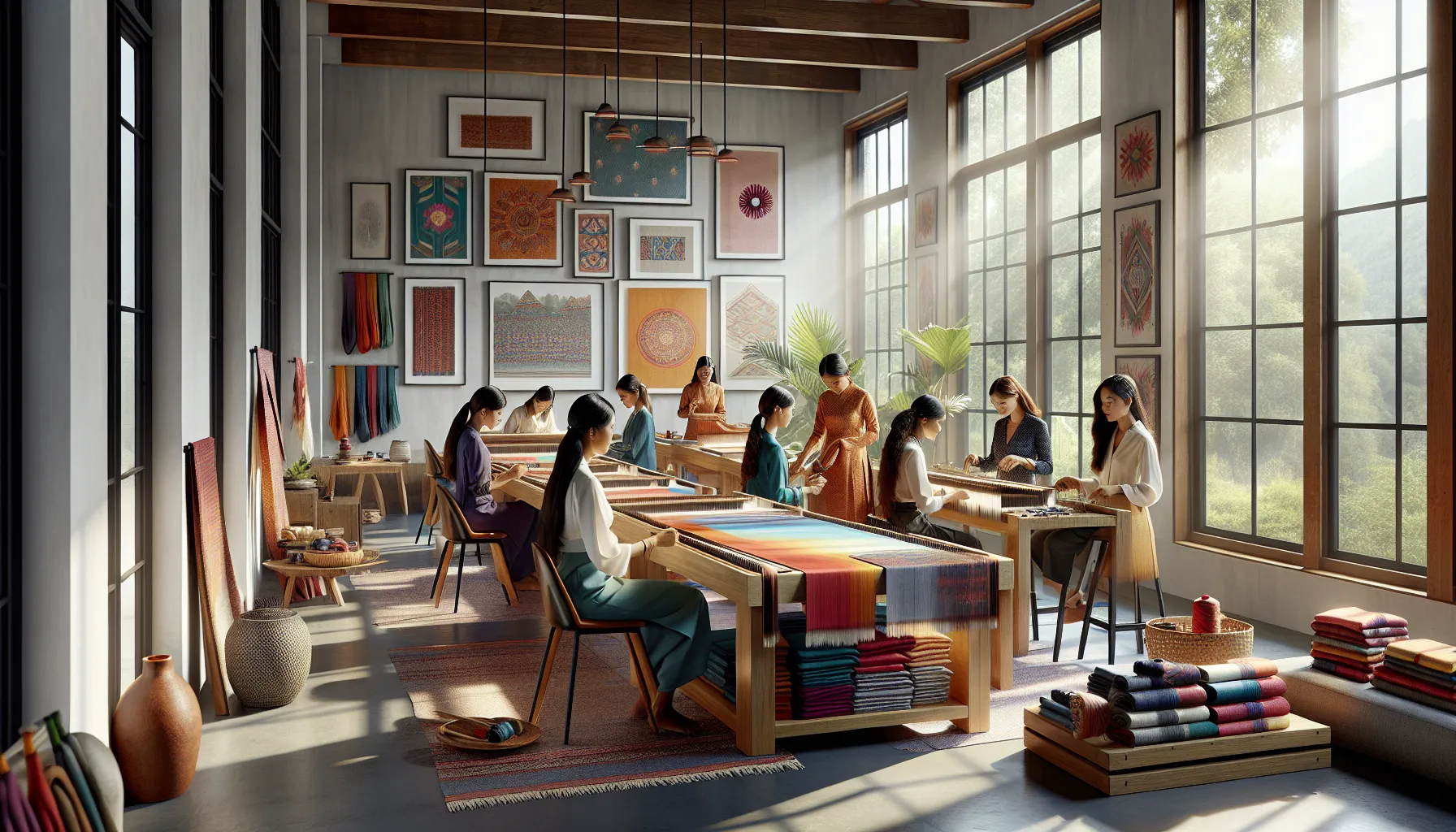
In our ever-changing world, Nepalichikāi serves as a vital cultural anchor while also pushing into modernity. It plays a significant role in promoting cultural tourism, as visitors are drawn to Nepal not just for its breathtaking landscapes but also for its rich artistic heritage.
Also, the revival of Nepalichikāi can empower women in communities, as many artisans are female entrepreneurs finding their footing in a traditionally male-dominated textile industry. By providing economic opportunities, we help foster independence and self-sufficiency whether in rural areas or urban settings.
With every purchase, we have the power to contribute to a sustainable future for these artisans and their craft, supporting not just their livelihoods but also the preservation of our cultural identity. Nepalichikāi, with its beautiful artistry, truly embodies the spirit of resilience and community, and that’s something we should all celebrate.