

Have you ever heard of potosterums? If not, you’re not alone, my friend. These amazing creatures might not be on everyone’s radar, but they definitely deserve some time in the spotlight. Imagine a life form that has adapted to flourish in unique environments while being an essential part of the ecosystem: that’s potosterums for you. In this text, we’ll jump into the world of potosterums with clarity, a touch of humor, and plenty of facts to boot.
potosterums
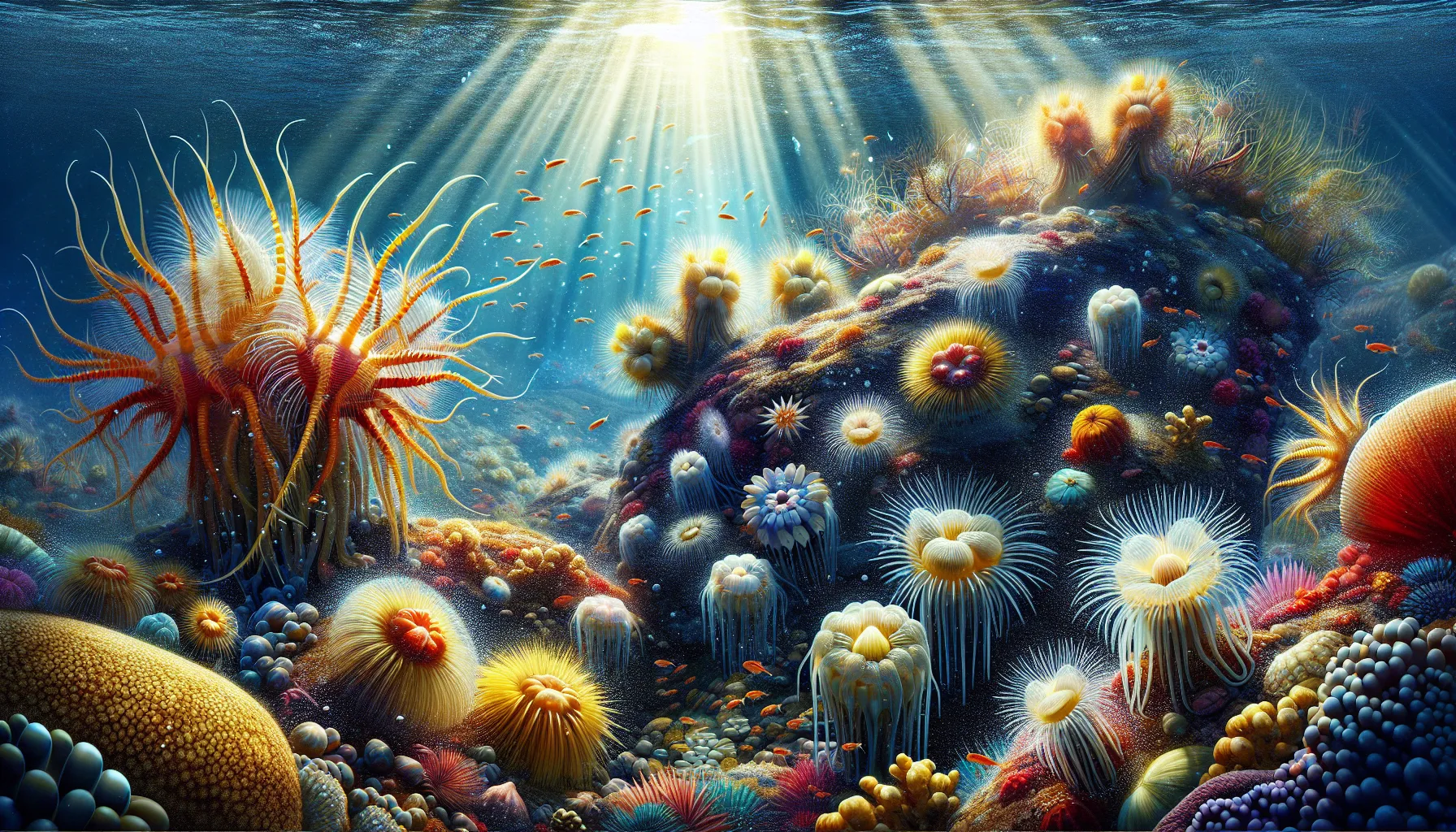
Let’s start with the basics. Potosterums are fascinating organisms belonging to the lesser-known corners of biology. You might think of them as nature’s unsung heroes, playing crucial roles where they live. These creatures exhibit incredible diversity, making them a captivating subject for researchers and nature enthusiasts alike. Essentially, potosterums can be found clinging to rocks, swimming in the depths of the ocean, or even burrowing in the ground, depending on their individual species. So, what exactly sets them apart from other organisms? Well, it’s time to dig deeper.
The Biological Classification of Potosterums
When we classify potosterums, we’re venturing into a fascinating taxonomic landscape. They belong to the kingdom Animalia, which is home to all sorts of organisms, from the tiniest insects to majestic elephants. Within this kingdom, potosterums are often placed in unique phyla, showcasing their remarkable adaptability. Some scientists may group them under categories that highlight their ecological niches. It’s a great reminder of how interconnected life truly is. As we explore their classification, we appreciate the complexity and beauty of the natural world.
Habitat and Distribution
Potosterums lead a globetrotting lifestyle, appearing in some of the most unexpected places. They thrive in varied habitats, from lush forests to arid deserts and the deepest oceans. Each species has its own specific preferences for habitat, allowing them to adapt remarkably to their surroundings. Have you ever pondered how creatures manage to survive extreme conditions? We can find potosterums in both warm tropical waters and chilling temperate regions. In essence, they are true survivors, showcasing the myriad ways life can thrive.
Physical Characteristics and Adaptations
Physical characteristics of potosterums are as diverse as their habitats. Some sport vibrant colors that help them blend into their surroundings or attract mates, while others might exhibit camouflage techniques that allow them to hide from predators. Their adaptations show the power of evolution at its finest. For instance, certain potosterum species have developed specialized appendages that aid in swimming or grasping onto surfaces. We marvel at how these characteristics not only ensure survival but also enhance their role in their ecosystems.
Diet and Feeding Habits
Potosterums are not just pretty faces: they have interesting diets too. Depending on their species, they might be carnivorous, herbivorous, or omnivorous. We see some potosterums feasting on a diet of algae and plankton, while others hunt smaller organisms. This diversity in feeding habits allows potosterums to play various ecological roles, contributing to the balance of their environments. It’s remarkable how these little guys manage to fit into the food web, ensuring they find their next meal no matter where they are.
Reproductive Behavior and Lifecycle
The reproductive behavior of potosterums is a fascinating aspect we can’t overlook. Some species engage in elaborate courtship rituals, showcasing behaviors that are as diverse as their appearances. We notice that certain potosterums release eggs and sperm into the water, embracing the wonders of external fertilization, while others may brood their young, providing them protection before they’re ready to face the world. This variety in reproductive strategies is essential for their survival and reveals the intricate dance of life in nature.
Conservation Status and Threats
Even though their resilience, potosterums face numerous threats, making their conservation a critical topic. Habitat destruction, pollution, and climate change are all players in the game that can endanger these species. Some potosterum populations have declined due to human activity, raising alarms among conservationists and wildlife biologists. We must consider how our actions impact the ecosystems we interact with, acknowledging the importance of preserving these intriguing organisms for future generations.