
Many people feel worn down without knowing why. Long days, tension in the shoulders, shallow breathing, and tight hips can make the entire body feel overworked. The nervous system sits in a constant state of alert. Muscles stay switched on when they should rest. This pattern makes the body feel tired even after a full night of sleep.
Gentle strength training offers a calmer path forward. It teaches the body to move with softness instead of force. Slow movements guide the system out of constant tension. The breath becomes deeper. Muscles release their grip. The body begins to feel supported again instead of strained.
Why A Gentle Strength Method Helps An Overworked System Recover
When stress builds, the body reacts. Heart rate rises. Breathing becomes shallow. Muscles tighten around the neck, ribs, and lower back. This makes it harder for the body to move in a natural way. Over time, this tension becomes a habit.
Gentle strength work interrupts that habit. Slow movements help the breath drop deeper into the belly. The body shifts into a calmer state. The muscles begin to work with better control. This reduces the load on the joints. It helps the spine feel more supported. The nervous system becomes less reactive.
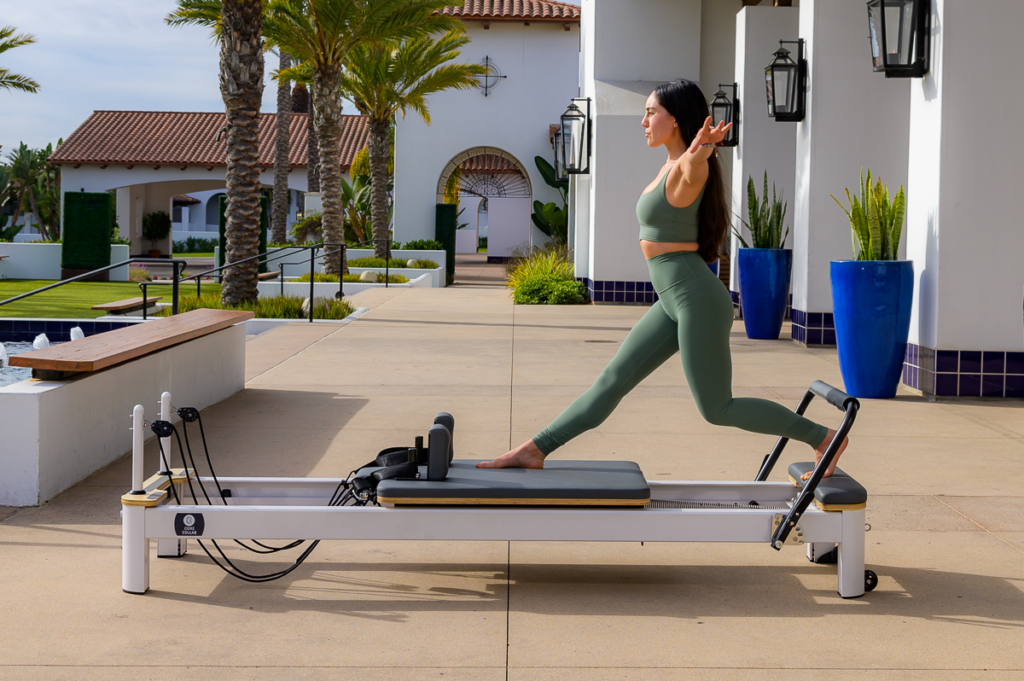
Some people use guided routines to stay consistent. A calm setup often helps. Many home users follow routines on a smooth and controlled reformer machine setup that keeps movement steady and aligned. The glide helps the body slow down. Each motion becomes more intentional. This is important for people who need strength without extra stress.
The goal is not to push harder. It is to help the body feel safe enough to release unnecessary tension.
How Slow Strength Work Helps Restore Balance
Gentle resistance training activates deep stabilising muscles. These muscles sit close to the spine, ribs, and pelvis. They do not need heavy loads to work well. They respond better to slower, more mindful patterns.
When these muscles strengthen, the body becomes more stable. Posture improves. The breath moves more freely. The spine feels lighter. This improved stability helps the nervous system feel less overwhelmed.
Slow strength training supports the body in several ways:
- It reduces tension around the neck and shoulders
- It improves alignment during daily movement
- It helps calm the nervous system
- It supports better breathing patterns
- It improves circulation without forcing intensity
- It helps the body recover from long periods of sitting
These improvements help the system move from exhaustion toward a more balanced rhythm.
Supportive Tools That Help Encourage Calm Movement
Some people find it easier to follow gentle routines when using supportive tools. These tools create smooth movement patterns that help the body stay centred. They guide the body through controlled strength work without sudden shifts.
Reformer-style platforms are often used for this purpose. They support the spine. They encourage alignment. They help the body learn slow, steady strength without pressure on the joints. The motion teaches the muscles how to activate in a calm and controlled way.
Variety can help too. Many home users include simple pushing and pulling routines on a stable surface. Some also explore chair pilates sessions that encourage upright alignment while keeping movements soft and grounded. These sessions are useful for people who need strength work that feels gentle on the knees and hips.

Why Gentle Strength Helps Reduce Stress In The Body
Stress does not only sit in the mind. It settles into the muscles. It changes the breath. It shapes how the body moves through the day. Light muscle exercises relax such patterns.
Movement slowly promotes breathing. This sends an excitation to the nervous system to relax. The shoulders drop. The ribs soften. The hips release. These transformations can be used to eliminate stress hormones accumulated when working or worrying long.
Emotional balance is also facilitated by gentle movement. Healthdirect Australia clarifies that exercise could help to alleviate stress, relieve tension, and help to maintain a more relaxed state of mind.
The body starts becoming lighter. Movement becomes easier. Balance improves. This shift helps the mind feel clearer and more grounded because the body is no longer fighting itself.
How This Method Helps Improve Daily Energy
Energy does not only come from rest. It also comes from how efficiently the body uses its strength. When the nervous system is overloaded, the body burns energy just to stay alert. This leads to fatigue.
Gentle strength training helps the body save energy. It stops the muscles from holding unnecessary tension. It improves breathing so the body can use oxygen more effectively. It encourages smoother circulation. These changes help energy last longer through the day.
People often feel:
- Lighter after slow training
- More present during daily tasks
- Less tension in the jaw, shoulders, and hips
- More comfortable when sitting or standing for long periods
- Clearer in their thinking
- Calmer during stressful moments
Research from the Australian Institute of Health and Welfare highlights how regular movement supports better energy, overall wellbeing, and healthier daily function.
A Simple Gentle Strength Routine For Daily Balance
A gentle routine does not need much time. What matters most is consistency and calm movement. A simple pattern may be in the following form:
- Soft breathing: A few slow breaths help calm the system.
- Light mobility work: Gentle circles in the wrists, shoulders, hips, and ankles warm the joints.
- Delayed core activation: This is assisted by controlled movements in stabilising the spine.
- Guided leg work: Steady pushes help build hip strength without strain.
- Light upper body work: The shoulder tension can be balanced with slow pulling or pushing.
- Calming stretches: Simple stretches help the body feel relaxed and open.
Why This Method Works So Well For Overworked Bodies
The body responds to calm repetition. Slow training teaches the muscles to activate with less effort. It supports the joints. It improves posture. It lowers stress. These changes build a foundation for long-term balance.
The body becomes more responsive. Movements feel smoother. Strength improves without strain. Energy becomes steadier. The nervous system feels less overwhelmed.
This gentle method is easy to maintain because it does not exhaust the body. It builds strength in a way that supports both physical comfort and emotional balance.
Final Thoughts
A tired, overworked system needs support, not intensity. Gentle strength training provides that support. It helps calm the nervous system, release tension, and restore balance. The body begins to move with more ease. Energy becomes steadier. Daily life feels lighter.
Supportive tools, such as controlled platforms or uplifted sessions on chair-based equipment, help guide the body through calm, steady patterns. These tools encourage alignment and control. They help the body feel more grounded.