
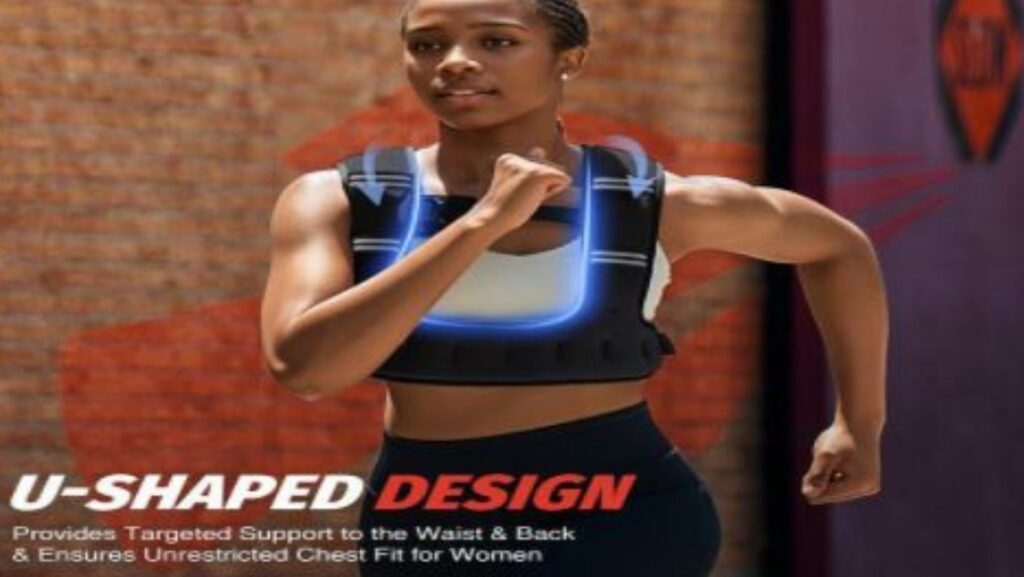
If you’ve spent any time browsing the fitness aisles or scrolling through workout gear online, you’ve seen them: the classic sand-filled ankle weights and the modern, sleek weighted vest. Both promise to make your walk harder, your heart rate higher, and your fat-burning more efficient.
But when it comes down to pure results—which one actually wins?
At Zelus Fitness, we’re all about gear that works with your body, not against it. Let’s break down the science of the “Vest vs. Ankle” debate to see which one belongs in your gym bag.
The Contender: Ankle Weights
Ankle weights have been a fitness staple since the 80s. They are great for targeted resistance (like leg lifts or glute kickbacks), but they have some significant drawbacks when it comes to walking or running:
- The “Pendulum” Effect: Because the weight is at the end of your limbs (the furthest point from your center of gravity), it creates a heavy pulling force on your ankle, knee, and hip joints.
- Joint Strain: This “pulling” can lead to ligament strain or repetitive motion injuries if you use them for long cardio sessions.
- The Fat Burn: While they make your legs feel heavy, they don’t significantly increase your overall body mass in a way that spikes your total metabolic rate.
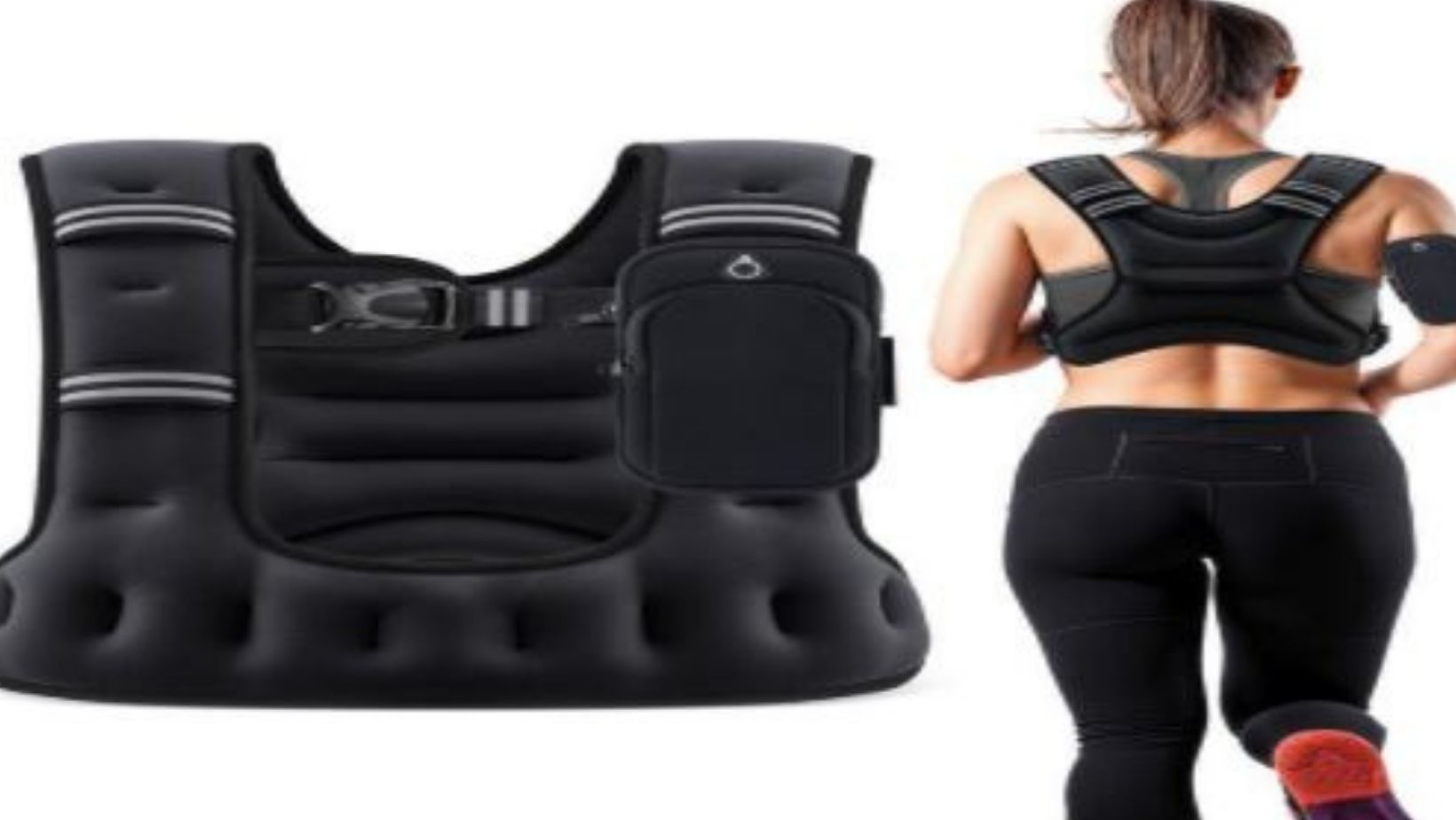
The Champion: The Weighted Vest
A weighted vest, like our Zelus X-Shape Series, takes a completely different approach by placing the resistance over your center of mass.
- Axial Loading: By putting the weight on your torso, your entire musculoskeletal system has to support the load. This is called “axial loading,” and it’s the gold standard for increasing calorie burn safely.
- Higher Intensity, Lower Impact: Because the weight is distributed across your shoulders and back, it doesn’t “tug” on your joints. Instead, it forces your heart and lungs to work harder to move your “new” heavier body weight.
- Core Engagement: You can’t wear a weighted vest without engaging your abs and lower back. This full-body recruitment is what truly drives up the fat-burning potential.
The Head-to-Head: The Fat Burn Results
So, which one burns more? The Weighted Vest takes the trophy. Research consistently shows that adding weight to the torso is more effective for fat loss than adding weight to the extremities. Why? Because a vest allows you to carry more weight safely. While walking with 2 lbs on each ankle might feel “hard,” it only adds 4 lbs to your frame and puts your tendons at risk. In contrast, wearing a 12 lb or 20 lb Zelus Vest adds significant resistance that your body must burn fuel (fat) to move—all while keeping your natural gait intact.
| Feature | Ankle Weights | Weighted Vest |
| Calorie Burn | Low to Moderate | High |
| Joint Safety | Risky for long walks | Very Safe (Ergonomic) |
| Muscle Toning | Targeted (Calves/Glutes) | Full Body & Core |
| Weight Capacity | Usually maxes at 5–10 lbs | Up to 60 lbs+ |
How to Use Both
Does this mean you should throw away your ankle weights? Not necessarily!
- Use Ankle Weights for “mat work”—leg pulses, donkey kicks, and side-lying abductions. They are fantastic for toning specific muscles.
- Use a Zelus Weighted Vest for everything else—walking, hiking, stairs, and bodyweight circuits.
If your goal is to burn maximum fat in the shortest amount of time while keeping your joints happy, the vest is the undisputed heavyweight champion.