
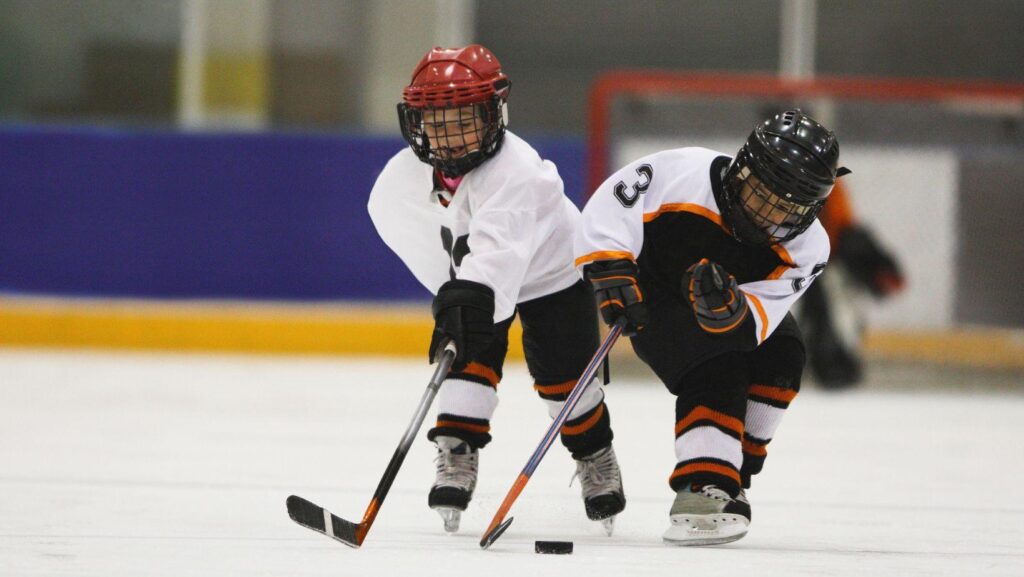
Youth hockey is reaching a new chapter in the United States. Once associated primarily with traditional hockey communities in the Northeast and Upper Midwest, the sport is attracting more young athletes in a wider range of markets. Growing participation, rising interest in girls' hockey, and investment in local ice facilities are helping introduce the game to a new generation of American families.
The latest registration figures reinforce this momentum. USA Hockey recorded 586,002 registered players in the 2025–26 season, setting a new all-time high. Youth participation increased by approximately 6,400 players, while female participation surpassed 100,000 for the first time in the organization's history. Together, these milestones suggest that hockey's future in America is being shaped not only by professional success, but also by the strength of grassroots programs.
From Traditional Hockey States to New Markets
For decades, youth hockey was most firmly established in cold-weather states with long-standing rink networks and established community programs. Today, the sport's footprint is expanding beyond those traditional strongholds.
Markets such as Texas, Florida, Nevada, and Utah demonstrate how professional hockey franchises, community outreach, and local development initiatives can introduce the game to new audiences. The growth of the NHL in non-traditional markets has helped raise the sport's profile, while introductory programs give children an opportunity to try hockey without immediately committing to a competitive team.
Utah provides a particularly notable recent example. During the 2025–26 season, the state added approximately 1,900 USA Hockey members, reflecting the potential for professional hockey exposure and grassroots investment to accelerate participation.
As more families encounter hockey through professional teams, community organizations, and introductory skating programs, youth organizations have new opportunities to create pathways into the sport.
Girls' Hockey and the Next Generation of Players
One of the most important developments in American hockey is the continued expansion of opportunities for female athletes. Girls' hockey is becoming an increasingly visible part of the sport's development pipeline, supported by dedicated programs, prominent professional players, and growing interest in women's competition.
USA Hockey surpassed 100,000 female players during the 2025–26 season, marking a historic milestone. This achievement reflects a sustained increase in participation and the growing appeal of hockey to families across the country.
This growth matters beyond registration figures. More girls entering the sport can support the development of additional teams, coaching opportunities, and competitive pathways. It also helps local associations serve a broader range of families and build stronger hockey communities.
Introductory initiatives, including learn-to-play sessions and equipment assistance programs, can help reduce the barriers that might otherwise prevent children from participating. Making the first experience welcoming and affordable remains an important part of sustaining long-term growth.
Why Local Ice Rinks Matter More Than Ever
Rising participation brings a practical challenge: young players need places to skate, practice, and compete.
Ice arenas require substantial investment, specialized equipment, ongoing maintenance, and careful scheduling. When a region gains new players faster than it gains ice capacity, organizations can face crowded schedules, limited practice availability, and difficulties accommodating new families.
That makes rink ownership and facility management an important part of the youth hockey ecosystem. Private operators, municipalities, sports organizations, and community partners can all play a role in maintaining existing facilities and expanding access to ice time.
One executive involved in this part of the industry is Murry Gunty, founder and CEO of Black Bear Sports Group. The company operates across several areas of the hockey industry, including ice arenas, youth hockey leagues, and junior hockey teams.
Its business model reflects a broader development opportunity: supporting the facilities and programs that allow participation to grow. Arena improvements, coordinated scheduling, and better use of available ice can help communities accommodate multiple activities, from youth development and competitive hockey to figure skating and adult recreational leagues.
As more families discover the sport, the long-term question is not simply how many children want to play, but whether local infrastructure can provide them with a consistent place to do so.
Making Youth Hockey Accessible at Every Level
Another factor supporting participation is the range of ways children can get involved. Modern youth hockey offers options for beginners, recreational players, and athletes pursuing more competitive development.
House leagues provide opportunities to learn fundamentals, build confidence, and enjoy the social benefits of team sports. Travel hockey and higher-level programs offer more intensive competition for players who want to advance their skills.
A strong development system makes room for both pathways. Children can progress at different speeds, and not every participant needs to pursue elite competition to benefit from the sport.
Development models increasingly emphasize age-appropriate instruction, skill acquisition, enjoyment, and long-term engagement alongside competition. Digital tools, online scheduling, and video platforms can also make it easier for families to coordinate activities and follow player development.
The challenge is to ensure that growing interest translates into sustainable participation, rather than creating unnecessary financial or time commitments for families.
A New Opportunity for American Youth Sports
The latest participation figures point to a promising future for youth hockey in the United States. Record player registrations, the expansion of girls' hockey, and emerging markets are all contributing to the sport's broader reach.
However, continued growth will depend on more than enthusiasm alone. Affordable introductory programs, sufficient ice capacity, qualified coaches, and well-maintained community facilities will be essential to welcoming new players.
For facility operators, sports organizations, and local communities, the opportunity is to turn today's interest into lasting participation. By investing in the places where children learn to skate and play, the hockey community can help ensure that the sport continues to reach families across America for years to come.