
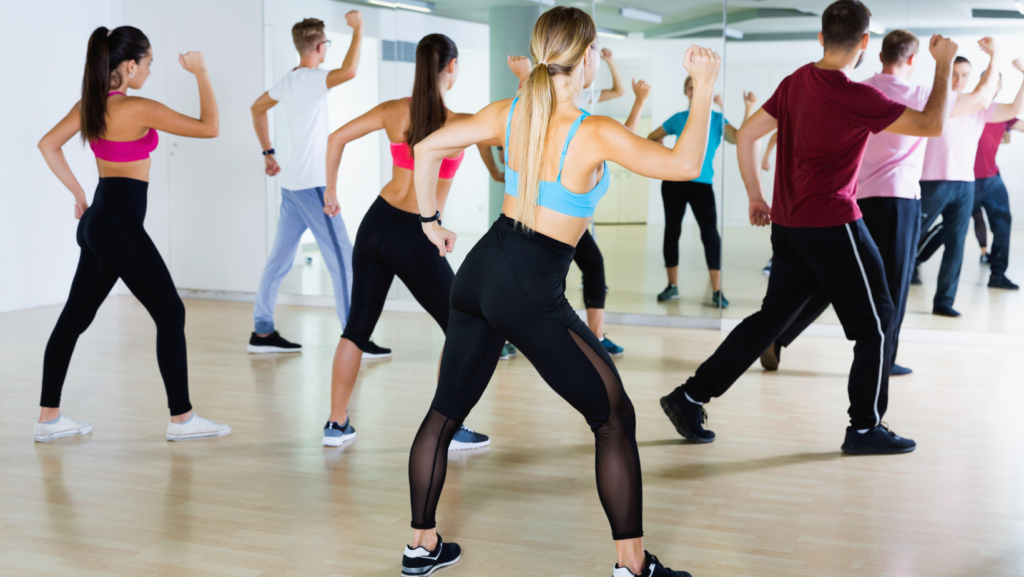
Whether you are a weekend warrior who trains casually on Saturdays or a competitive athlete pushing toward elite performance, reaching a new level of physical capability requires far more than simply showing up at the gym each day. It requires intention, structure, and a willingness to improve details most people overlook. The difference between someone who trains and someone who truly improves often comes down to a handful of deliberate choices made consistently over weeks and months. From the way you warm up before each session to the specific gear that is carefully strapped around your ankles during training, every single element, no matter how small or seemingly insignificant, plays a meaningful role in determining whether your body successfully adapts, steadily grows stronger, or gradually breaks down under the accumulated strain. This guide walks you through specific, actionable strategies that are designed to sharpen your athletic output and keep your body performing at its absolute peak, so that you maintain top-level physical condition throughout 2026 and well beyond.
Why Performance Gains Start with Smarter Training Habits
When it comes to athletic training, raw effort alone, no matter how intense or sustained it may be, rarely translates into measurable progress, because without deliberate structure and thoughtful planning behind each session, the energy expended often fails to produce the tangible improvements that athletes are striving to achieve. Athletes who consistently see the biggest jumps in speed, strength, or endurance, whether they are training for competition or simply pursuing personal goals, are typically those who deliberately prioritize the quality of each training session over sheer volume, recognizing that focused effort yields superior results. One major shift that is truly worth making, especially for athletes who want to see consistent and measurable improvement in their performance over time, is periodization, which refers to the deliberate and strategic practice of structuring your training into distinct phases that each serve a specific purpose. Periodization alternates between different intensity levels and movement patterns, providing fresh stimuli and sufficient recovery time. For example, a four-week mesocycle might feature two weeks of progressive overload, then a deload week, and finally a testing week.
Another overlooked factor is warm-up specificity. A general five-minute jog on the treadmill does not prepare your joints and neuromuscular system for heavy squats or explosive lateral movements. Sport-specific dynamic warm-ups, such as banded lateral walks for basketball players or arm circles paired with rotator cuff activation for swimmers, prime the exact tissues you are about to load. Athletes who invest in dedicated game-changing recovery and performance techniques often discover that preparation before a session matters just as much as the session itself.
Ankle Stability as a Game-Changer for Court Sports
Why Ankle Injuries Remain the Top Threat on Court
Volleyball, basketball, and tennis all pose the same risk: quick direction changes on hard court surfaces. The ankle joint absorbs massive ground-reaction forces during jumps and cuts, making it often the first structure to fail. Lateral ankle sprains account for a significant portion of all court-sport injuries, and a single sprain can increase the probability of re-injury by more than 70 percent if rehabilitation is incomplete. Preventing that initial sprain, or carefully protecting a joint that has already suffered damage, is therefore one of the most meaningful steps you can take to ensure your long-term availability as an athlete on the court.
Protective Gear That Keeps You Moving
Targeted ankle support has evolved considerably over the past decade. Today’s best products balance protective rigidity with freedom of motion, allowing athletes to jump, land, and pivot without feeling restricted. High-quality volleyball ankle braces from BetterGuards incorporate adaptive tensioning systems that respond to sudden inversion forces while remaining flexible during normal movement patterns. If you play any court sport regularly, investing in a reliable brace is one of the simplest ways to reduce downtime caused by rolled or sprained ankles. Pair bracing with a daily ankle-mobility routine, including calf raises, single-leg balance drills, and resistance-band eversion exercises, and you build a layered defense system that keeps you on the court far more consistently.
Five Proven Methods to Boost Your Athletic Output
Achieving better results does not demand a total transformation of your daily habits or lifestyle. Instead, concentrate on these specific, evidence-backed adjustments that can make a real difference:
1. Track sleep quality, not just duration. Fragmented sleep recovers less than shorter, deep rest. Use a diary or wearable to identify disruptive patterns.
2. Prioritize compound lifts over isolation exercises. Deadlifts, squats, and pull-ups engage multiple muscles, boosting hormonal response and functional strength efficiently.
3. Incorporate rate-of-force development work. Box jumps, medicine ball throws, and kettlebell swings train rapid force production for sprinting, jumping, and agility.
4. Manage intra-workout hydration actively. A two percent body mass loss from sweat noticeably reduces power output. Sip diluted electrolyte drinks during sessions exceeding 45 minutes.
5. Schedule deliberate deload periods. Planned lighter weeks let tendons, ligaments, and the nervous system recover, preventing plateaus and overuse injuries.
Research published by Harvard Medical School reinforces the idea that a well-rounded exercise approach trumps any single training fad. Their guide on the ideal exercises you can do for lasting fitness highlights swimming, strength training, and walking as pillars that support nearly every other physical goal. Integrating at least two of these modalities into your weekly plan builds a resilient foundation that specialized sport training can sit on top of.
Choosing the Right Supportive Gear for Volleyball and Beyond
What to Look for in Athletic Braces and Supports
When it comes to protective gear designed to support joints during athletic activity, it is important to recognize that not all supportive equipment is created equal in terms of quality and effectiveness. When you are selecting ankle braces or knee sleeves, it is important to pay careful attention to three key factors that directly affect performance and safety: material breathability, adjustability of fit, and independent testing data. A brace that is constructed from moisture-wicking, antimicrobial fabric, which actively draws sweat away from the skin and resists bacterial buildup, will remain comfortable throughout long matches, while an adjustable strap system, offering fine-tuned control, lets you dial in the exact level of compression your joint needs on any given day. Independent biomechanical testing builds confidence by confirming a product truly lowers injury risk, not just feels snug.
Beyond joint braces, consider footwear with appropriate cushioning and torsional stiffness for your sport. A volleyball shoe should provide forefoot flexibility for quick transitions yet enough midfoot rigidity to support lateral movements. Layering the right shoe with a well-designed brace creates a support chain that extends from the ground up through your ankle complex. Matching your nutrition to your training demands is equally important. A dedicated resource on sports nutrition fundamentals can help you identify the macronutrient ratios and meal timing that align with your workout schedule and competitive calendar.
Building a Lasting Fitness Routine That Delivers Results
Consistency outperforms intensity over any significant period of time. The best athletes in 2026 succeed by showing up prepared, following a smart plan, and recovering fully. Start by defining one clear, measurable goal for the next eight weeks. Your goal might be something like adding ten kilograms to your back squat, shaving half a second off your 40-meter sprint time, or completing an entire volleyball match without experiencing any ankle discomfort whatsoever. Once you have clearly defined your goal, write it down in a place where you can see it every day, carefully reverse-engineer the specific training steps that will be required to reach it, and then schedule each of those steps into your weekly calendar as though they were non-negotiable appointments that cannot be missed under any circumstances.
Accountability, which serves as a powerful driving force in any training regimen, accelerates progress by ensuring that individuals remain committed to their goals, consistently push beyond their comfort zones, and actively seek out constructive feedback to improve their performance over time. Training with a partner, joining a structured class, or hiring a coach provides external motivation and real-time feedback on your technique. Recording your sets on your phone and reviewing the footage can reveal hidden weaknesses. Over time, these small feedback loops build up into meaningful gains in both skill and strength.
Finally, remember that adaptation happens during rest, not during effort. Your body repairs muscle fibers, restores glycogen stores, and strengthens motor patterns during sleep and low-intensity recovery days. Respecting this natural process of recovery and adaptation, rather than undermining or overriding it by piling on extra training sessions that your body does not need, is one of the most powerful and consequential decisions you can make as you pursue the path to better, more consistent performance. If you treat recovery as an active skill that demands your attention and planning, rather than dismissing it as a passive afterthought, your body will reward you with consistent, injury-free progress for many years to come.